
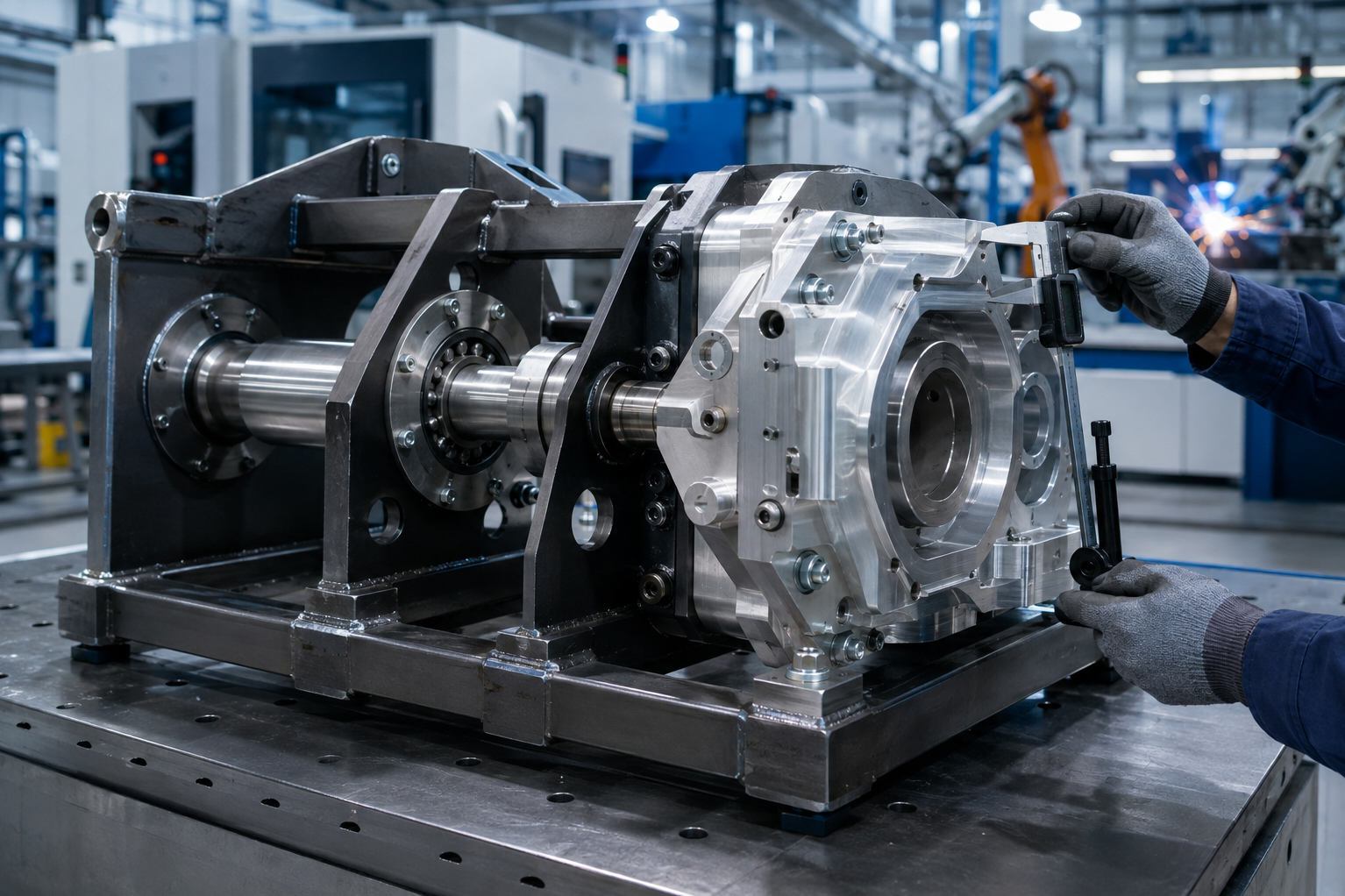
Manufacturing today is no longer limited to producing individual components. OEMs increasingly require complete fabrication and machining assemblies that are ready for integration into larger machines or production systems. Combining fabrication, precision machining, and assembly under a single manufacturing process helps reduce production delays, improve dimensional accuracy, and simplify supply chain management.
For industries such as automotive, earthmoving equipment, mining, defence, and pharmaceutical machinery, integrated assemblies provide a practical solution for maintaining quality while meeting demanding production schedules.
What Are Fabrication and Machining Assemblies
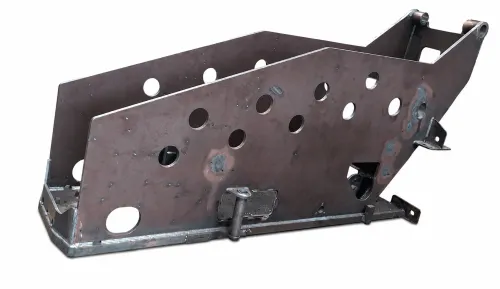
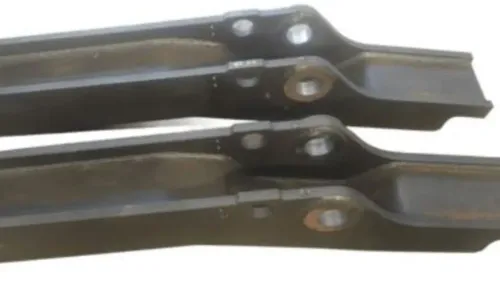
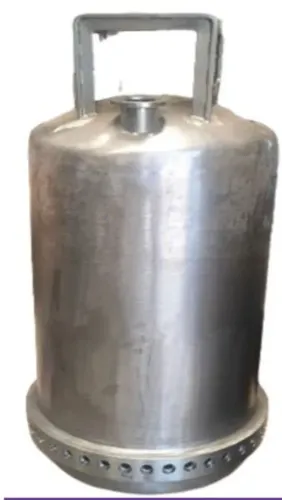
Fabrication and machining assemblies combine fabricated structures with precision-machined components to create partially or fully assembled engineering products.
Rather than sourcing fabricated parts, machined components, and assembly work from different vendors, manufacturers can receive a finished assembly that is ready for installation.
Typical assemblies may include:
- Machine base structures
- Equipment frames
- Welded housings
- Structural support assemblies
- Industrial machine components
- Custom engineering assemblies
This integrated approach reduces coordination challenges and improves consistency throughout production.
Challenges of Working With Multiple Suppliers
Many manufacturers divide fabrication, machining, and assembly among different vendors. While this may appear cost-effective initially, it often creates operational difficulties.
Some common challenges include:
- Dimensional mismatches between fabricated and machined parts
- Delays caused by transporting semi-finished components
- Communication gaps between suppliers
- Difficulty maintaining consistent quality standards
- Increased inspection and rework
These issues can affect production timelines and increase overall manufacturing costs.
Advantages of Integrated Assemblies
Combining fabrication and machining into a single workflow offers several practical benefits.
Better Dimensional Accuracy
Since fabricated components are machined within the same manufacturing system, dimensional alignment is easier to maintain throughout production.
Reduced Production Time
Eliminating unnecessary transportation between vendors shortens manufacturing lead times and simplifies project scheduling.
Improved Quality Control
Inspection takes place at every production stage, helping identify issues before they affect the final assembly.
Simplified Procurement
Working with one manufacturing partner reduces vendor coordination and documentation, making procurement more efficient.
Consistent Production Standards
Using common engineering drawings, inspection procedures, and manufacturing processes helps maintain consistency across multiple production batches.
Industries That Benefit Most
Integrated fabrication and machining assemblies are widely used across several industrial sectors.
Earthmoving Equipment
Heavy-duty construction machinery requires fabricated structures with accurately machined mounting surfaces to ensure reliable assembly and long service life.
Automotive Manufacturing
Production fixtures, robotic stations, machine bases, and specialised tooling benefit from integrated manufacturing because dimensional accuracy is critical for automated production lines.
Defence Equipment
Complex engineering assemblies used in defence manufacturing require strict adherence to design specifications and repeatable manufacturing quality.
Mining Equipment
Mining machinery often includes large fabricated frames combined with precision-machined interfaces that must withstand harsh operating conditions.
Pharmaceutical Machinery
Machine frames and structural assemblies used in pharmaceutical production require accurate machining to ensure equipment stability and reliable operation.
Important Factors When Evaluating a Manufacturing Partner
Before selecting a supplier for fabrication and machining assemblies, buyers should evaluate several technical capabilities.
Consider whether the manufacturer offers:
- CNC machining facilities
- Heavy fabrication capabilities
- In-house welding expertise
- Comprehensive inspection systems
- Assembly capabilities
- Experience serving OEM industries
A supplier with integrated manufacturing capabilities is generally better positioned to manage quality and delivery schedules.
Why Manufacturing Location Supports Better Collaboration
Industrial clusters provide access to skilled engineers, specialised equipment, and reliable material suppliers. Chakan has developed into one of Maharashtra's leading manufacturing hubs, allowing OEMs to work closely with experienced engineering companies while reducing logistics complexity for regional production.
Pranav Heavy Industries Private Limited manufactures fabrication and machining assemblies by integrating heavy fabrication, CNC machining, welding, and assembly processes within a coordinated production environment. This enables OEM customers across automotive, earthmoving equipment, mining, defence, and pharmaceutical machinery sectors to receive engineering assemblies that meet demanding quality and performance requirements.