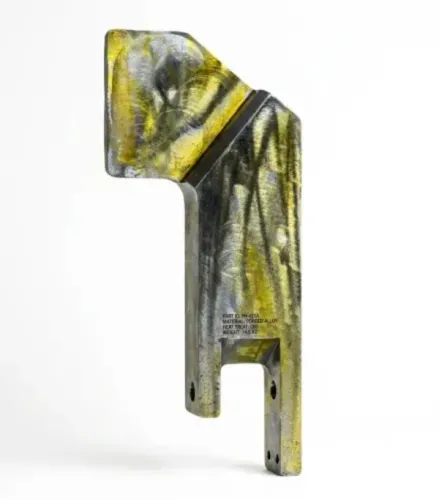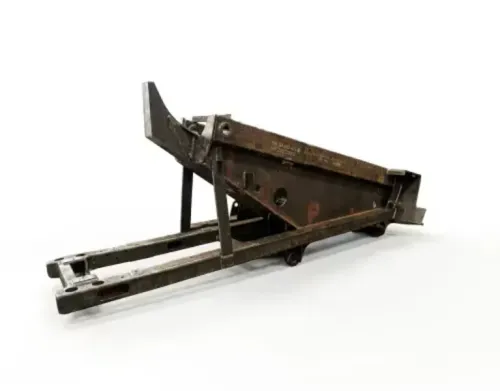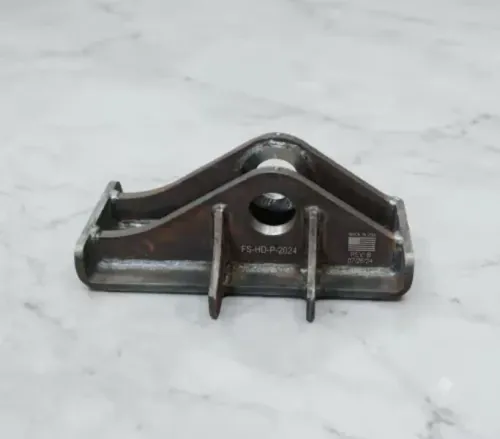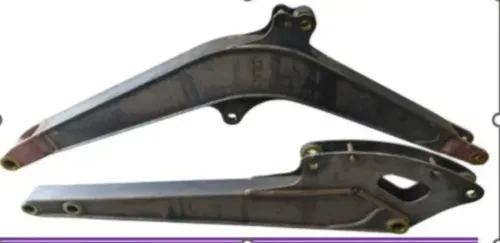
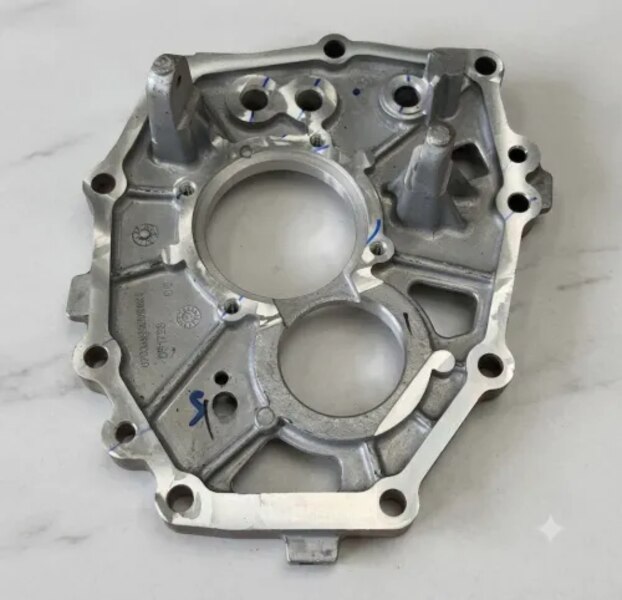
“5 MT plate” is not a steel grade or a universal product standard; it usually describes a plate or assembly with an approximate mass of 5 metric tonnes. You will be able to turn that ambiguous phrase into a controlled specification, compare Chakan suppliers on production evidence, and prevent problems with machining, inspection, lifting and delivery.
Key takeaways
- Define whether 5,000 kg means raw plate, finished plate or complete assembly.
- Name the steel grade, cutting method and stress-relief process in your RFQ.
- Require datum-based inspection records for machined features and critical dimensions.
- Confirm lifting points, transport limits and delivery conditions before placing the order.
Define the 5 MT plate before requesting a quotation
“5 MT plate” is not a standard steel designation. In heavy-equipment purchasing, it normally means a plate or plate assembly with an approximate finished mass of 5,000 kg, not a 5 mm plate or a particular steel grade. State whether the 5,000 kg applies before machining, after machining, or to the complete welded assembly.
| Description | Meaning | Figure to state |
|---|---|---|
| Raw plate | Purchased rolled steel | Length, width, thickness, grade and estimated mass |
| Cut or profiled blank | Plate after flame, plasma or machine cutting | Cut dimensions, edge condition and mass |
| Machined plate assembly | Finished component | Final mass, machined dimensions, tolerances and assembly condition |
Your enquiry should contain these figures and identifiers:
- Steel grade and standard, such as IS 2062, ASTM A572 Grade 50 or EN 10025 S355; do not write only “mild steel”.
- Overall length, width and thickness in millimetres, plus the allowable thickness variation.
- Flatness, parallelism and perpendicularity limits, with the measurement method.
- Finished mass target and permitted variation, including whether welds, fixtures or loose parts count.
- Datum scheme, hole pattern, slot and pocket coordinates, counterbore and tapped-hole sizes.
- Machined surface areas, surface roughness value, hole-position tolerance and inspection method.
- Drawing revision, material certificate requirement and heat-number traceability.
A 5 mt plate manufacturer in chakan will quote more accurately when these figures distinguish a raw plate from a complete machined component.
Specify the steel, cutting route and stress-control process
A steel grade alone does not define a usable heavy-equipment plate. State the grade, supply condition, thickness, dimensions, flatness and whether the deliverable is a rolled plate, flame-cut blank or welded assembly.
Name the governing standard, such as IS 2062, ASTM A572 or EN 10025 S355, and require the mill test certificate with heat number and chemical and mechanical results.
Use this manufacturing sequence in the purchase specification:
1. Confirm the material grade, thickness range, delivery condition and grain-direction requirement. Add impact-test temperature, hardness limits or through-thickness properties when the drawing or service loads demand them.
2. Define the cutting route. Identify saw cutting, oxy-fuel cutting, plasma cutting or waterjet cutting, then state the permitted cut tolerance, edge condition and extra machining allowance. A heavy equipment MT plate manufacturer should show how its cutting method suits the thickness.
3. Require balanced rough machining from both faces rather than removing most stock from one side. Record roughness, remaining allowance and an intermediate flatness check before finishing.
4. Specify stress control: natural conditioning, thermal stress relieving or another approved process. For welded work, identify the WPS/PQR, welder qualification, preheat, interpass temperature, consumable classification and repair limits under ISO 15614-1 and ISO 3834.
5. State non-destructive testing separately from certification. For thick plate, specify ultrasonic testing to the required EN 10160 class, scanning direction, acceptance criteria and report format; the 5-tonne mass does not determine that class.
Release final machining only after the intermediate inspection confirms that the blank remains stable. Otherwise, residual stress can pull holes, faces and datums out of tolerance after delivery.
Control machining features, datums and inspection evidence
A machined 5 mt plate fits equipment only when the drawing controls the datum scheme, not just individual dimensions. Mark primary, secondary and tertiary datums; identify every mounting face, hole pattern, slot, pocket, counterbore and tapped hole from those datums. State whether each tolerance applies before or after welding, stress relief and finish machining.
Specify hole position with a positional tolerance and datum references, not only diameter. Give flatness for each machined face, plus parallelism, perpendicularity and surface roughness where contact or alignment depends on them. Keep plate thickness and as-rolled shape tolerances separate from machined requirements; EN 10029 does not replace a tighter drawing tolerance.
| Evidence | What it proves | Reject or investigate when |
|---|---|---|
| CMM report tied to drawing revision | Hole locations, profiles and datum relationships meet the drawing | Report uses an old revision or omits feature coordinates |
| Calibration records for measuring equipment | Micrometers, height gauges and levels were accurate during inspection | Calibration had expired or the equipment range was unsuitable |
| Flatness and parallelism map | The mounting face will seat and remain aligned | One edge passes but the full face is unmeasured |
| Material heat certificate and route record | The plate remains traceable through cutting and machining | The heat number disappears after processing |
| WPS, PQR, welder and NDT records | Welds, repairs and inspections follow the specified process | Repairs are undocumented or personnel lack qualification |
Request a signed final inspection report with measured values, not a conformity statement. Ask for checks after roughing and stress relief; removing material from one face can release residual stress and warp the plate before final machining.
Compare a raw plate supplier with a qualified Chakan manufacturer
A complete-part capability is proven by process evidence, not by calling a business a 5 MT plate supplier in Chakan. Confirm whether it can receive, cut, weld, machine, inspect and dispatch the finished component, rather than only resell certified steel.
| Capability | Raw plate supplier | Qualified Chakan manufacturer |
|---|---|---|
| Incoming capacity | States plate thickness or stock availability | States maximum incoming-piece mass, dimensions and lifting capacity |
| Processing | Offers cutting or refers work elsewhere | Shows cutting, welding, machining envelope and controlled subcontracting |
| Quality evidence | Provides mill test certificate and heat number | Adds inspection plans, calibrated equipment records, NDT qualifications and dimensional reports |
| Welded construction | No qualified welding route | Provides WPS/PQR, welder qualifications, preheat and interpass records, consumable control and repair limits under ISO 15614-1 and ISO 3834 |
| Delivery control | Quotes steel availability | Provides comparable delivery performance and nonconformance records |
Ask for one anonymised inspection plan and one heat-traceability record from a comparable plate size and mass. Check that the heat number follows the material from receipt through cutting, machining and final documentation.
For thick plate, request the ultrasonic-testing standard, scanning direction, acceptance class and report format; EN 10160 is a recognised reference, but the drawing or OEM specification must set the acceptance class. An ultrasonic report does not replace a material certificate.
When reviewing Pranav Heavy Industries Private Limited, use these records to distinguish its complete-part route from a steel-only quotation. A heavy equipment MT plate manufacturer should show where each operation occurs and who accepts responsibility for the finished datum, holes, welds and final release.
Related product
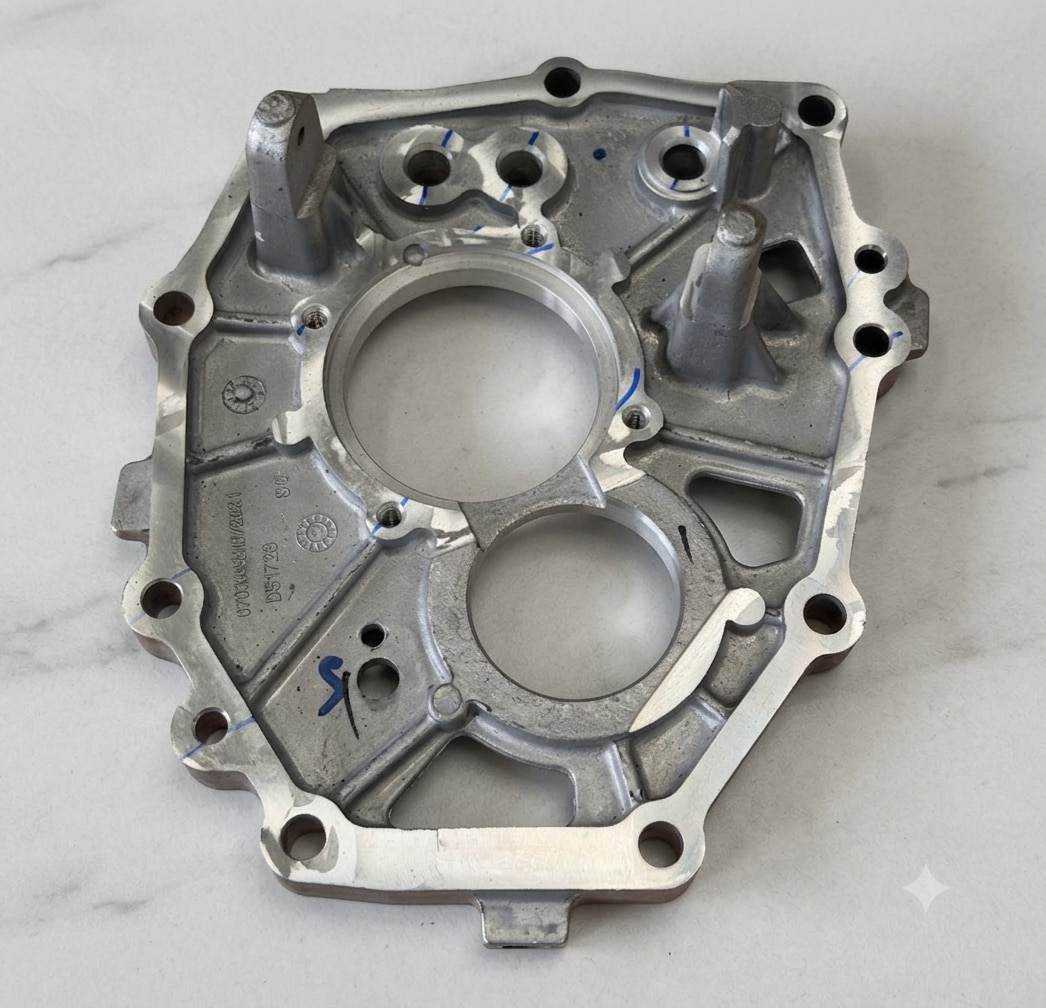 | 5 MT Plate Pranav Heavy Industries Private Limited manufactures high-quality 5 MT Plates designed for heavy-duty industrial and engineering applications. View product → |
Freeze lifting, transport and delivery requirements at quotation stage
Freeze the lifting and delivery plan in the quotation, not after machining. A technically acceptable machined 5 MT plate can become unusable if the trailer cannot carry its finished dimensions, the crane cannot reach its centre of gravity, or the site cannot unload it safely.
Ask the supplier to state these handling and delivery details:
- Finished length, width, thickness, mass and centre-of-gravity location
- Incoming blank mass, cutting allowance and machining allowance separately
- Maximum road-legal transport dimensions and gross vehicle mass
- Loading method, trailer type and trailer deck height
- Approved lifting points, sling angles, lifting lug capacity and support points
- Required blocking, timber or steel dunnage to prevent distortion during transit
- Corrosion protection, wrapping method and protection for machined faces
- Part identification, heat number, lifting marks and orientation marks
- Buyer’s unloading equipment, including crane capacity, hook height and access limits
- Delivery sequence, site restrictions and responsibility for unloading
Do not accept “5 tonnes” as the only logistics figure. A raw blank can weigh substantially more than the finished part, while a finished component with pockets and holes can weigh less than a quoted raw plate.
A supplier describing itself as a 5 MT plate manufacturer in Chakan must confirm its actual incoming-piece weight, machining envelope, crane capacity and dispatch method. Request a lifting drawing before release, especially for a machined 5 MT plate with offset holes, welded features or uneven support surfaces.
Frequently asked questions
What does “5 MT plate” mean in heavy-equipment purchasing?
It normally describes a plate or plate assembly with an approximate mass of 5,000 kg, not a 5 mm plate or a steel grade. State whether the mass applies before machining, after machining or to the complete welded assembly.
What should you specify when requesting a 5 MT plate quotation?
Specify the steel grade, plate thickness and dimensions, cutting route, welding scope, stress-control process, machining features, datums, inspection evidence and required tolerances.
What inspection evidence should you request for a machined 5 MT plate?
Request a dimensional inspection report tied to drawing datums, material test certificates, weld inspection records where applicable and evidence for critical machined features.
How does a raw plate supplier differ from a qualified Chakan manufacturer?
A raw plate supplier provides stock material, while a qualified manufacturer can coordinate cutting, stress control, machining, fabrication, inspection and documentation against your drawing.
What delivery details belong in the quotation for a 5 MT plate?
Freeze the lifting points, total loaded mass, centre of gravity, transport route and height limits, vehicle requirements, packaging, delivery location and unloading responsibility.
Keywords