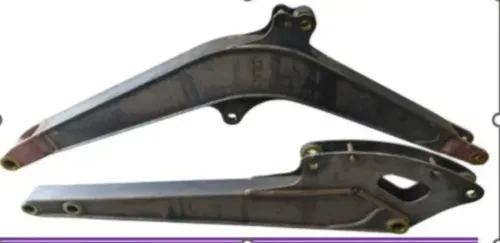
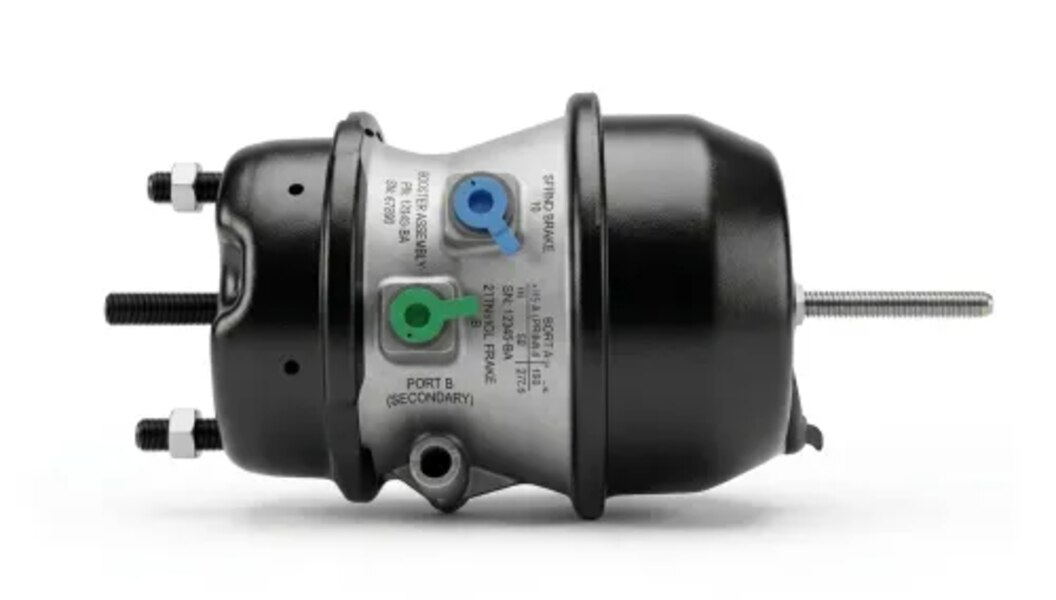
A booster assembly is not a standard fabricated box: it may combine a pressure body, piston or plunger, valves, seals, precision bores, brackets, and machine interfaces. By the end, you will know how to define the assembly, follow its manufacturing route, verify its fit and function, and compare quotations from suppliers in Chakan without overlooking pressure, cleanliness, traceability, or service requirements.
Key takeaways
- Define the booster type, pressure range, fluid, ports, and mounting envelope before requesting quotes.
- Match drawing tolerances, weld procedures, pressure tests, and inspection records to the assembly’s duty.
- Approve a measured first article before releasing production quantities for mine-site delivery.
- Compare Chakan suppliers on traceability, machining capacity, testing, packaging, and engineering support.
What a Mining Booster Assembly Contains and Controls
A mining booster assembly multiplies pressure or controls force so a machine can actuate, transfer load, or operate an auxiliary circuit. It may be hydraulic, pneumatic, fuel, mechanical, or another pressure booster, so “booster assembly” alone is not a purchase specification.
The drawing and RFQ must identify:
- Working pressure and proof pressure
- Flow rate or displacement, stroke, duty cycle, fluid, and temperature range
- Port standard, fail-safe requirements, and mounting envelope
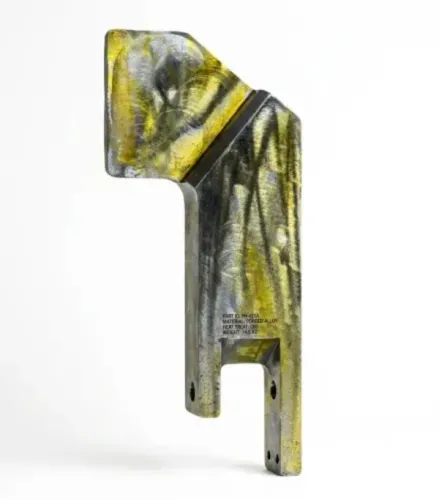
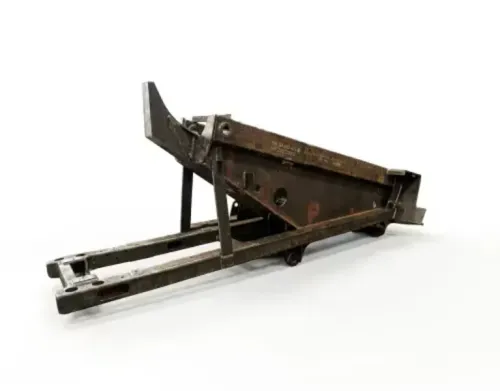
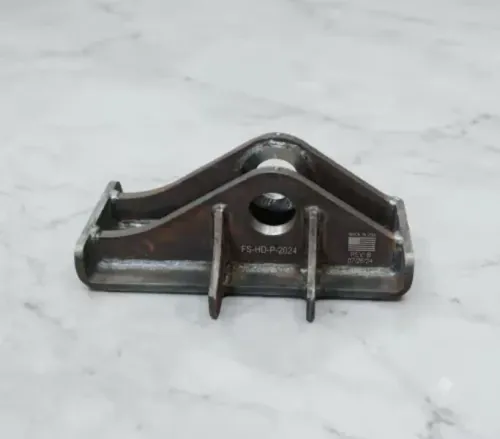
- Fabricated or cast body, housing, piston or plunger, shafts, pins, brackets, mounting plates, valves, threaded ports, seals, and structural interfaces
- Whether the quotation includes valves, seals, hoses, bought-out parts, testing, installation, and commissioning
| Booster type | Typical machine use | Main control or function |
|---|---|---|
| Hydraulic | Hydraulic breakers, excavators, drilling rigs | Pressure multiplication, actuation, and auxiliary control |
| Pneumatic | Drilling rigs and dusty process equipment | Air-powered actuation or pressure boosting |
| Mechanical or fuel | Haulage systems and engine-related equipment | Load transfer, fuel delivery, or auxiliary operation |
Seal material, backup rings, groove geometry, bore finish, fluid compatibility, temperature, abrasive dust, and contamination are design inputs. A mining equipment booster assembly manufacturer must obtain the actual fluid specification and duty cycle before freezing the seal design; extrusion, leakage, or rapid wear can follow from a parts-list decision made too early.
Ask a booster assembly supplier in Chakan to define the complete assembly boundary before comparing prices.
How Fabrication and Machining Progress from Drawing to Subassembly
Drawing review starts with the 2D tolerances, datums, weld symbols, and 3D-model interfaces. Freeze the revision before production, then verify material certificates and heat numbers: structural steel suits welded bodies and brackets, alloy steel suits shafts and pins, ductile iron or steel castings suit appropriate housings, and corrosion-resistant grades suit fluid contact or severe exposure.
- Cut or form plates, bars, and tubes; design fixtures around the drawing datums, then control fit-up, weld sequence, heat input, clamping, and interpass temperature to limit distortion.
- Weld the body and brackets, applying post-weld stress relief when specified. Afterward, shot-blast or otherwise prepare surfaces before machining.
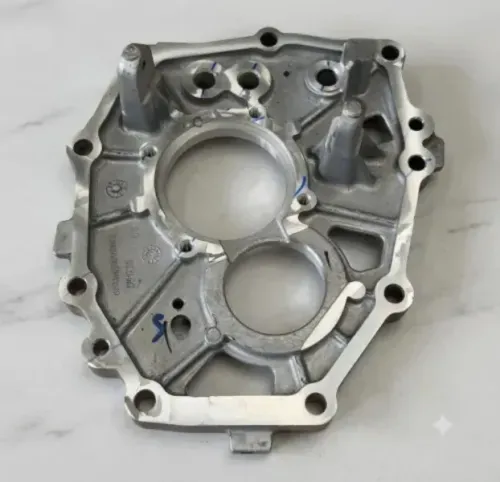
- CNC-machine mating faces and critical bores after welding, then drill hole patterns, bore cylinders, cut threads, deburr every edge, and clean chips, oil, and abrasive residue.
- Mask bores, threads, grooves, ports, datum faces, and grounding points during painting or other surface treatment; control pretreatment, coating thickness, cure, and repair.
- Install seals, pistons or plungers, shafts, pins, valves, and fasteners into the cleaned subassembly, checking alignment and free movement.
Booster assembly manufacturing in Chakan may use either machine-centre strategy:
| Option | Strength | Main risk |
|---|---|---|
| VMC | Lower setup count for accessible faces | Repositioning error and weaker access to deep sides |
| HMC | Multiple-face access, better chip evacuation, repeatable datums | Higher setup and programming cost |
| Welded | Low lead time, lighter, repairable, economical at low volume | Distortion and stress |
| Fully machined | Accurate and repeatable | Costly, heavier, slow for large bodies |
| Cast | Efficient at high volume and complex shapes | Pattern lead time, defects, harder repair |
This booster assembly fabrication in Chakan route transfers datums carefully; HMC work reduces datum transfer, while VMC work demands disciplined repositioning control.
Which Dimensions, Welds, Tests, and Records Prove Quality
Quality is proven by controlled evidence, not a vernier reading. Establish primary, secondary, and tertiary datums on the drawing, then verify bore diameter, bore position, coaxiality or concentricity, hole pattern, flatness, perpendicularity, flange runout, thread form, surface finish, and each mating-face relationship against those datums.
| Feature | Suitable check | Evidence |
|---|---|---|
| Internal bore | Bore gauge or air gauge | Diameter and roundness record |
| Positions and faces | CMM or height gauge | Coordinates, perpendicularity, and hole-pattern report |
| Ports and fasteners | Calibrated thread gauges and torque tools | Thread acceptance and torque record |
Inspect welds visually for cracks, undercut, porosity, lack of fusion, spatter, and distortion. Use dye-penetrant testing for surface-breaking flaws in nonmagnetic parts, magnetic-particle testing for ferromagnetic parts, and ultrasonic testing where the drawing or failure risk demands internal flaw detection.
Separate the service test, proof test, and leak test. The drawing or OEM specification must define the medium, pressure, hold time, temperature, acceptance limit, calibrated gauge, and safe enclosure; never substitute an arbitrary pressure, especially for pneumatic testing.
Specify an ISO 4406 cleanliness target, flushing method, sampling location, and result. Mask bores, threads, grooves, ports, and datum faces during coating.
A mining equipment booster assembly manufacturer should retain:
- Material test certificates, heat or batch traceability, welding procedure and welder qualifications
- Dimensional, NDT, calibration, and pressure-test reports
- Serial-number links to bought-out parts, concessions, and final assembly records
These controls distinguish repeatable booster assembly manufacturing in Chakan from an assembly that merely looks finished.
How to Compare a Booster Assembly Supplier in Chakan
Comparable quotations begin with identical RFQ data: require the supplier to review the 2D manufacturing drawing, 3D model, material grade, heat-treatment condition, weld symbols, tolerances, coating system, inspection plan, annual quantity, batch size, target delivery date, supplied raw material, testing level, packaging, and whether the price covers the complete assembly or only fabricated and machined components.
- Audit prototype and first-article capability, available capacity, welding fixtures, approved welding procedures, NDT access, CMM and pressure-test equipment, and calibration control.
- Ask how the supplier controls subcontractors, nonconformances, concessions, bought-out-part traceability, serial records, and after-sales support.
- Require evidence linking a finished unit to material heat certificates, valves, seals, weld records, inspection results, pressure tests, calibration status, and concessions.
Supplier comparison should use evidence, not claims.
| Criterion | Acceptable evidence | Warning sign |
|---|---|---|
| Critical dimensions | CMM reports, bore records, repeatability data | One-off inspection only |
| Welding and NDT | Procedure approvals, welder records, NDT reports | Visual inspection presented as proof |
| Testing and cleanliness | Calibrated gauges, pressure data, flushing records | No defined acceptance limit |
| Traceability | Heat, batch, and bought-out-part links | Unmarked components |
The price for booster assembly manufacturing in Chakan reflects material preparation, fixtures, stress relief, machining setups, special tooling, inspection, rework, low-volume changeovers, cleaning, testing, and packaging. A booster assembly fabrication in Chakan that excludes machining or testing is not comparable with a complete supply.
For a booster assembly supplier in Chakan, Pranav Heavy Industries Private Limited is a local example to audit against the same documented OEM requirements, not a reason to award work based on location or product label.
Related product
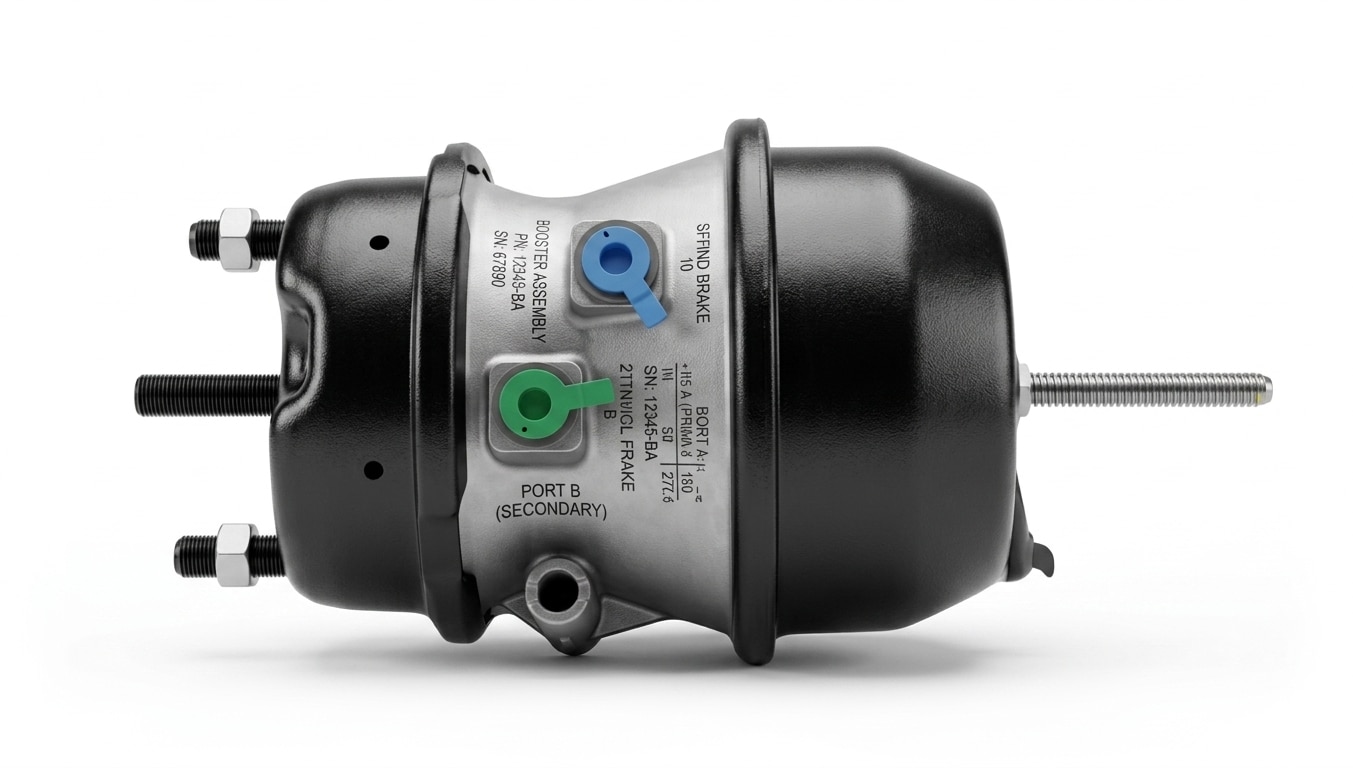 | Booster Assembly Pranav Heavy Industries Private Limited manufactures high-quality Booster Assemblies engineered for reliable performance in demanding industrial... View product → |
How to Confirm Fit, Approve the First Article, and Ship to the Mine
Approve the first article only after a documented fit check against the machine drawing or OEM manual. Compare the mounting-hole pattern, interface dimensions, hydraulic or mechanical connection points, envelope limits, load direction, hose routing, tool access, and service clearances. Do not invent missing dimensions; obtain them before release.
Check these evidence items before production:
- First-article approval, controlled engineering-change notices, and replacement-part identification.
- Serial or batch traceability linking parts to heat numbers, valves, seals, tests, and concessions.
- Torque verification, stroke or response, pressure retention, leakage, valve function, and cleanliness records.
| Fit evidence | Acceptance basis | Stop condition |
|---|---|---|
| Mounting and interfaces | Drawing dimensions, hole position, bores, faces | Shifted holes, misaligned bores, mismatched faces |
| Envelope and serviceability | Clearance, hose path, lifting points, tool access | Interference or unsafe maintenance access |
| Structure and hydraulics | Load direction, connection points, specified test results | Unverified side load, leakage, or pressure loss |
Ship with capped ports, protected machined faces, corrosion protection, marked lifting points, and shock- and moisture-resistant packing. Include a packing list with the serial number, weight, dimensions, contents, lifting instructions, and destination for heavy transport from Chakan to the mine site.
A booster assembly supplier in Chakan or mining equipment booster assembly manufacturer is the wrong choice for an OEM-authorised replacement, proprietary hydraulic circuitry, field commissioning, a certified pressure vessel, or specialist testing it cannot perform. Reject visible porosity, undercut, cracks, burrs, surface damage, shifted holes, misaligned bores, or mismatched faces.
Frequently asked questions
What does a mining booster assembly contain and control?
It can include a pressure or force-generating device, valves, cylinders, regulators, fittings, seals, manifolds, sensors, and a structural frame. Specify whether it serves a hydraulic, pneumatic, fuel, mechanical, or other circuit, then define pressure, flow, force, temperature, fluid compatibility, ports, and mounting points.
How does booster assembly fabrication progress from drawing to subassembly?
The process starts with drawing review and material planning, followed by cutting, forming, welding, stress control where specified, machining, deburring, surface treatment, and assembly. Inspectors then verify critical features before integrating parts into a tested subassembly.
Which dimensions, welds, tests, and records prove booster assembly quality?
Check critical dimensions against the drawing and GD&T, inspect weld size and location against the approved weld procedure, and review pressure, leak, functional, and dimensional test results. Request material certificates, weld records, calibration certificates, inspection reports, serial or batch traceability, and the final drawing revision.
How should you compare a booster assembly supplier in Chakan?
Compare the supplier’s ability to machine the required envelope, fabricate the frame, control tolerances, perform specified tests, preserve traceability, and provide inspection records. Confirm capacity, first-article approval practices, packaging controls, delivery planning, and support for fit-up at your plant or mine.
How do you confirm fit, approve the first article, and ship to the mine?
Use the latest controlled drawing to inspect mounting holes, ports, interfaces, envelope, and operating connections. Record first-article deviations, close corrective actions, approve the revised sample, and ship with protected ports, corrosion control, lifting information, packing documentation, and the final inspection dossier.
Keywords