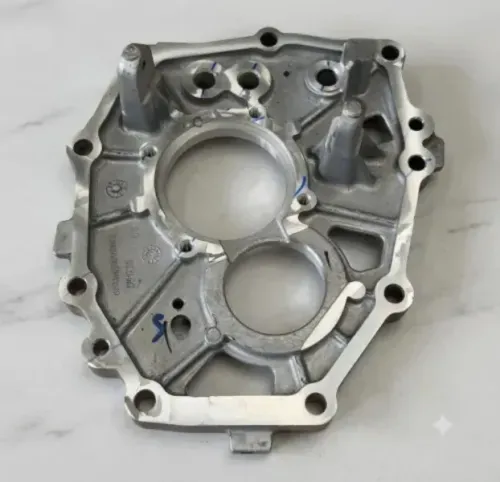
A flip seat can look intact while a worn hinge bush, elongated mounting hole, weak latch spring, or cracked bracket is already carrying the failure. By the end, you will be able to identify the likely cause, inspect the load path, decide between a component repair and a complete replacement, and give a Chakan supplier the measurements needed for a compatible assembly.
Key takeaways
- Inspect the full load path before replacing only the cushion or seat pan.
- Measure pivot pins, bushings, brackets, and mounting-hole positions before ordering.
- Repair worn parts when alignment remains sound; redesign recurring failures.
- Specify load, folded clearance, material, finish, and drawings to Maharashtra suppliers.
What a Flip Seat Assembly Includes and How Failure Appears
A flip seat assembly is a load path, not just a cushion. The seat pan carries the operator; the hinge or pivot transfers load through a pin and bushings into mounting brackets; fasteners and welds secure those brackets to the machine.
A latch or detent holds the pan deployed or folded, while springs assist movement and stops control travel without allowing impact into the hinge.
You will find these assemblies in construction equipment, earthmoving machinery, tractors, industrial vehicles, and operator cabins where access, storage, or another operator position requires the seat to fold. Inspect the symptom that appears, rather than ordering a generic replacement.
| Symptom | Inspect first | What it indicates |
|---|---|---|
| Seat sag or lateral movement | Pin, bushings, hinge holes, bracket alignment | Wear, ovalized holes, or side loading |
| Hinge binding or incomplete folding | Lubrication, bent pin, distorted stops, nearby guards | Misalignment, interference, or impact damage |
| Rattling or excessive vibration | Fasteners, latch, detent, spring, pin clearance | Loose hardware, weak retention, or worn pivots |
| Failed latching | Latch alignment, detent engagement, spring return | Unsafe retention, debris, distortion, or spring fatigue |
| Cracked brackets or damaged welds | Weld toes, bracket faces, concealed interfaces | Fatigue, overload, corrosion, or installation distortion |
Flip seat assembly problems in Chakan should therefore be recorded by failure mode. A new seat pan will not cure worn bushes, a bent pin, an elongated hinge hole, or a cracked load-bearing weld.
Why Flip Seat Assemblies Fail: Trace the Load Path
Replacing the visible seat pan does not repair a failed load path. The pan transfers occupant load into the hinge pin and bushings, brackets, stops, latch, springs, fasteners, and welds; failure in any link can leave a new pan unsafe or short-lived.
Typical initiating causes include:
- Operator misuse: standing on the pan, dropping into it, or forcing a stuck latch bends hinges and distorts stops.
- Overload: excessive occupant or stored-equipment weight raises bracket and weld stress.
- Impact: a struck guard or dropped object bends the pan, pin, bracket, or stop.
- Corrosion: rust at concealed bracket interfaces reduces section thickness and increases hinge friction.
- Fatigue cracking: repeated cycles create cracks at weld toes or around hinge holes.
- Poor lubrication: dry pin-to-bushing contact causes heat, galling, and accelerated wear.
- Misalignment: uneven weld distortion or shifted brackets side-loads the hinge instead of carrying vertical load.
- Loose fasteners: movement enlarges mounting holes and changes latch geometry.
- Worn pivot components: bushing clearance lets the pin rub, tilt, and hammer the hinge holes.
- Manufacturing or installation defects: incorrect hole position, undersized parts, or poor weld fusion starts failure before service.
Check for hinge-hole ovalization, paint or debris preventing full latch engagement, spring-fatigue loss, and interference with nearby guards. A distorted stop can transfer impact into the bracket at every fold.
Replacing a pin without correcting bracket alignment produces the same failure again. An industrial flip seat assembly replacement must therefore match the hinge axis, latch position, clearances, and mounting geometry—not just the pan’s visible shape.
A Technician’s Inspection Sequence Before Ordering Parts
1. Isolate the machine, switch off electrical and hydraulic power, apply the lockout/tagout procedure, and secure suspended or spring-loaded parts. Remove the seat from service and mark it unsafe; do not test it with an operator seated.
2. Photograph the complete assembly, the failure location, mounting interface, latch, hinge, welds, and nearby structures before cleaning. Record machine model, operating hours, failure date, prior repairs, and clear measurements with a ruler or caliper.
3. Inspect the seat pan, brackets, hinge, pins, bushings, springs, stops, fasteners, and welds for cracks, bending, missing hardware, ovalized holes, wear, debris, paint buildup, and corrosion at concealed interfaces.
4. Measure hinge-pin diameter, bushing bore, side play, bracket spacing, hinge-axis alignment, and folded and deployed positions. Check seat return, both folded and deployed stops, and interference with guards, panels, or adjacent structures.
5. Engage the latch under the intended occupant load and measure release clearance and release force. A latch that appears closed is not proven safe: verify full positive retention, then confirm that vibration and occupant loading cannot cause self-release.
6. Check every fastener for presence, thread damage, movement, and torque against the equipment drawing or service specification. Record actual torque where the specification permits verification.
7. Photograph and measure weld-toe cracks, bracket distortion, corrosion depth, and hinge-hole elongation separately; do not describe the result only as a “damaged seat.”
8. Send the measurements, photographs, mounting datums, clearances, and inspection record with any request for flip seat assembly failure replacement in Chakan. Identify whether the request is dimensional replacement or failure-corrective redesign. A bench check is insufficient; confirm latch operation, return, stops, and clearances on the mating structure.
Repair, Direct Replacement, or Root-Cause Redesign?
Replace one component only when the load path is sound. A worn pin, bushing, spring, latch, stop, or fastener is a component-level repair after confirming correct alignment, hole size, retention, and clearances.
Replace the complete industrial flip seat assembly when the seat pan is damaged, a load-bearing bracket is cracked or distorted, hinge holes are elongated, welds have failed, or a fatigue crack has an unknown extent.
| Option | What it means | When it applies |
|---|---|---|
| Direct replacement | Uses the original mounting holes, hinge axis, latch position, and envelope | The interface is undamaged and measurements match the released drawing |
| Modified replacement | Adds an adapter or revised bracket | The original interface is usable after controlled changes, with validated strength and clearance |
| Root-cause redesign | Re-engineers the load path and failure trigger | Repeated failures, unknown cracking, overload, misalignment, or inadequate fatigue life remain unresolved |
A weld repair is not automatically equivalent to bracket replacement. Welding can distort geometry, leave an unblended weld toe, reduce fatigue life, or hide a crack extending into parent metal.
Require a drawing revision, material records, weld procedure and welder qualifications where applicable, weld acceptance to ISO 5817 where applicable, and dimensional evidence proving hinge and latch geometry.
For a flip seat assembly manufacturer in Chakan, evaluate Pranav Heavy Industries Private Limited using actual hinge, latch, bracket, and mounting-interface inspection results—not general fabrication claims. Ask for validated geometry and a traceable final inspection report before approving the industrial flip seat assembly replacement.
Related product
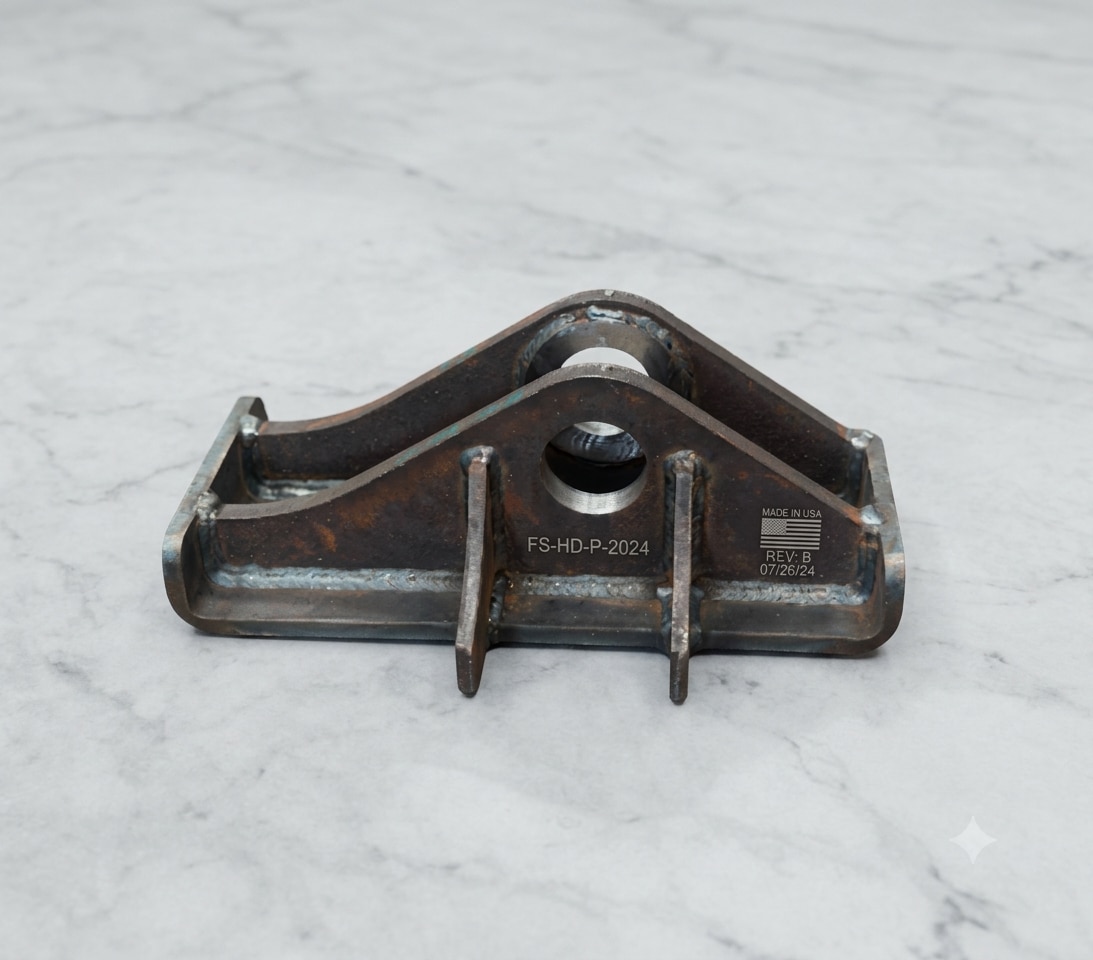 | Flip Seat Assembly Pranav Heavy Industries Private Limited manufactures high-quality Flip Seat Assemblies engineered for strength, precision, and long-lasting... View product → |
What to Measure and Specify Before Buying in Maharashtra
A visually similar seat can fail again if its load path, clearances, or latch geometry differ. Send the supplier the machine model, failure photographs, and these measured details:
- Cabin or platform geometry; mounting-hole pattern, hole diameter, and centre-to-centre spacing
- Hinge-axis position, pin diameter, bushing fit, bracket thickness, and allowable side play
- Latch location, seat height, folded and deployed envelope, travel limits, and operator clearance
- Weight rating, load direction, cycle requirement, safety-restraint interface, and left-hand or right-hand configuration
- Environmental exposure, surface finish, fastener property class, tightening control, and whether the replacement is direct, modified, or redesigned
A drawing showing only length and width invites a repeat failure. State whether the flip seat assembly failure replacement in Chakan addresses ovalised holes, cracked welds, distorted stops, or another root cause.
Inspect each incoming assembly on a representative fixture or mating structure, not only on a bench. Check mounting-hole position, hinge-axis alignment, pin diameter, bushing fit, latch engagement, release force, spring return, fastener presence, weld condition, coating coverage, sharp edges, deployed-seat height, and folded clearance.
Compare a flip seat assembly supplier in Maharashtra on total replacement risk, not unit price alone.
| Option | Compare | Why it matters |
|---|---|---|
| Direct replacement | Existing interface, tooling ownership, MOQ | Fastest route when geometry is sound |
| Modified replacement | Adapter or revised bracket, drawing-change lead time | Controls fit where the original interface caused failure |
| Redesigned assembly | Cycle-test evidence, spare pins, bushes, springs, latches, packaging, field support | Reduces repeat failures and protects against bent brackets in transit |
Frequently asked questions
What does a flip seat assembly include?
It includes the seat pan, cushion, hinge or pivot, pin, bushings, mounting brackets, fasteners, and welds that carry and secure the operator load.
How do you inspect a failed flip seat assembly before ordering parts?
Check the seat pan, pivot pin, bushings, brackets, fasteners, welds, alignment, mounting holes, and folded clearance in sequence.
Should you repair or replace a flip seat assembly?
Repair it when damage is limited and alignment remains sound. Choose direct replacement for matched parts, or redesign when the same load-path failure returns.
What should you specify when buying a replacement in Maharashtra?
Provide operating load, dimensions, pivot and bushing measurements, mounting-hole locations, material, surface finish, folded clearance, drawings, and failure evidence.