

Light fabrication plays a significant role in modern manufacturing by producing accurately engineered metal components that are lighter in weight but equally important for industrial applications. From machine enclosures and brackets to frames, panels, and custom assemblies, light fabrication helps manufacturers create components that combine structural strength with dimensional precision.
Industries such as automotive, pharmaceutical machinery, earthmoving equipment, defence, and industrial equipment manufacturing rely on light fabrication to support production processes, improve equipment functionality, and simplify assembly. As product designs become more sophisticated, the demand for high-quality fabricated components continues to grow.
What Is Light Fabrication
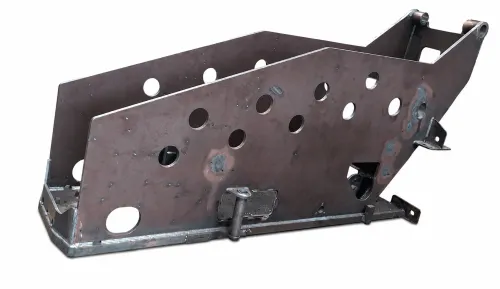
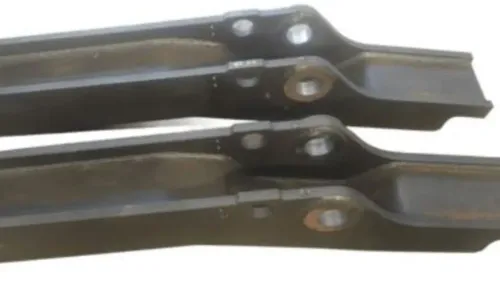
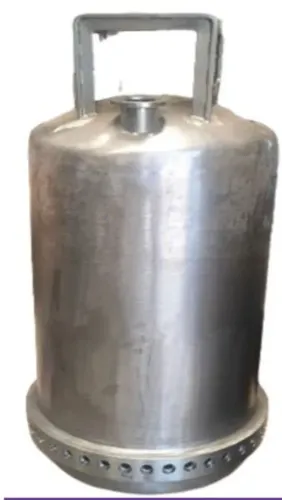
Light fabrication refers to the manufacturing of components made from thinner metal sections and plates using processes such as cutting, bending, welding, drilling, and finishing. Unlike heavy fabrication, which focuses on large structural assemblies, light fabrication is used for smaller and medium-sized engineering components that require both precision and durability.
Common examples include:
- Machine covers
- Mounting brackets
- Control panels
- Sheet metal enclosures
- Equipment frames
- Support structures
- Custom metal assemblies
These components may appear simple, but they are often critical to the overall performance and reliability of industrial machinery.
Why Precision Matters in Light Fabrication
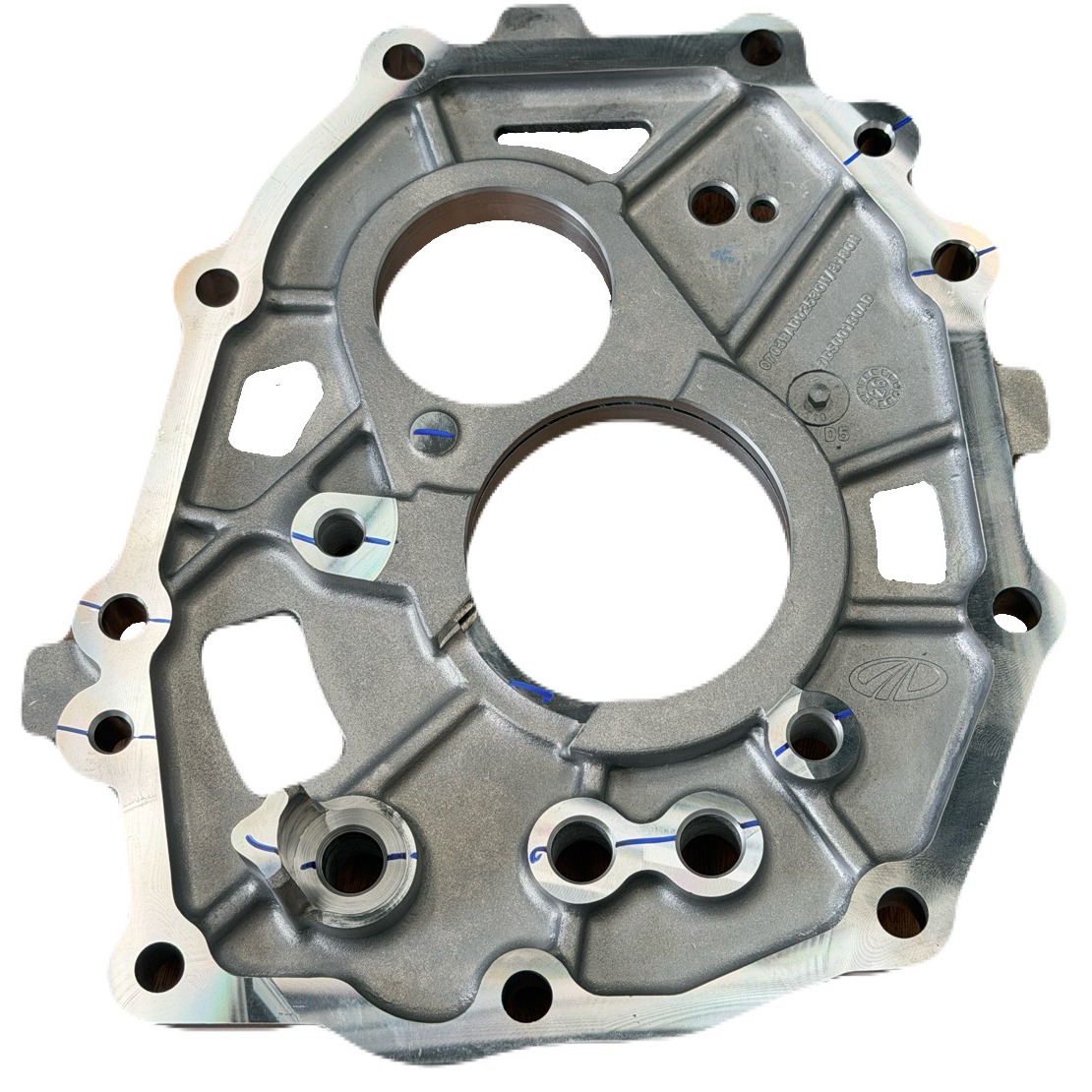
Many fabricated parts are designed to fit seamlessly with machined components, electrical systems, hydraulic assemblies, or automated equipment. Even small dimensional errors can create installation problems and increase production delays.
Accurate light fabrication helps manufacturers achieve:
- Better component fit
- Smooth assembly processes
- Reduced rework
- Improved product consistency
- Enhanced equipment reliability
Maintaining close tolerances throughout fabrication ensures that every component performs as intended within the final assembly.
Applications Across Different Industries
Light fabrication is widely used in industries where engineered metal components support machinery, automation, and production systems.
Automotive Manufacturing
Automotive manufacturers use light fabricated parts for machine guards, production fixtures, brackets, support frames, and equipment enclosures that contribute to efficient manufacturing operations.
Earthmoving Equipment
Construction machinery incorporates fabricated covers, mounting plates, access panels, and support brackets that protect internal systems while maintaining structural integrity.
Defence Equipment
Many defence applications require lightweight fabricated assemblies that meet strict dimensional and quality standards without adding unnecessary weight to equipment.
Pharmaceutical Machinery
Machines used in pharmaceutical production rely on fabricated frames, covers, and support structures that contribute to stable operation and easy maintenance.
Industrial Machinery
Custom-built machines often require fabricated panels, structural supports, and protective enclosures designed specifically for each application.
Materials Commonly Used in Light Fabrication
The choice of material depends on the operating environment, load requirements, and product design.
Commonly used materials include:
- Mild steel
- Stainless steel
- Aluminium
- Galvanised steel
- Carbon steel
Selecting the appropriate material helps improve corrosion resistance, durability, and overall product life while meeting specific application requirements.
Key Manufacturing Processes
Producing high-quality fabricated components involves several carefully controlled operations.
Typical processes include:
- CNC laser or plasma cutting
- Sheet metal bending
- Precision welding
- Drilling and tapping
- Grinding and finishing
- Dimensional inspection
Each stage contributes to producing components that meet engineering drawings and customer specifications.
Quality Control in Light Fabrication
Consistent quality is essential because fabricated components often become part of larger industrial systems.
Manufacturers generally perform inspections throughout production, including:
- Material verification
- Dimensional measurement
- Weld quality inspection
- Surface finish evaluation
- Assembly fit checks
These inspections help reduce manufacturing defects and ensure reliable performance during installation.
What to Consider When Choosing a Light Fabrication Partner
Selecting the right manufacturing partner involves evaluating more than fabrication capacity alone.
Important factors include:
- Experience with industrial fabrication
- Modern CNC cutting and bending equipment
- Skilled welding professionals
- In-house inspection facilities
- Ability to manufacture custom components
- Consistent production quality
Working with an experienced manufacturer can help minimise production delays while ensuring components meet both functional and dimensional requirements.
Located in Chakan, a well-established manufacturing hub in Maharashtra, Pranav Heavy Industries Private Limited provides light fabrication solutions for OEMs and industrial manufacturers. By combining advanced fabrication processes with stringent quality standards, the company manufactures precision-fabricated components for automotive, earthmoving equipment, defence, pharmaceutical machinery, and other engineering industries that require dependable performance and consistent manufacturing quality.