

Heavy fabrication forms the backbone of many industries that rely on strong, durable, and precisely engineered metal structures. From mining equipment and earthmoving machinery to defence systems and industrial plants, fabricated components are designed to withstand demanding operating conditions while maintaining structural integrity over long periods.
Manufacturers today expect more than just welded steel structures. They require fabricated components that meet exact dimensional requirements, integrate seamlessly with machined parts, and deliver consistent performance in production environments. This is why heavy fabrication has become a highly specialised engineering process rather than a simple manufacturing activity.
Understanding Heavy Fabrication
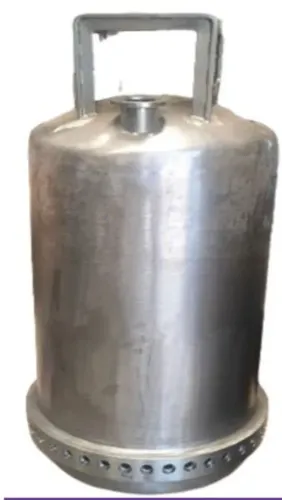
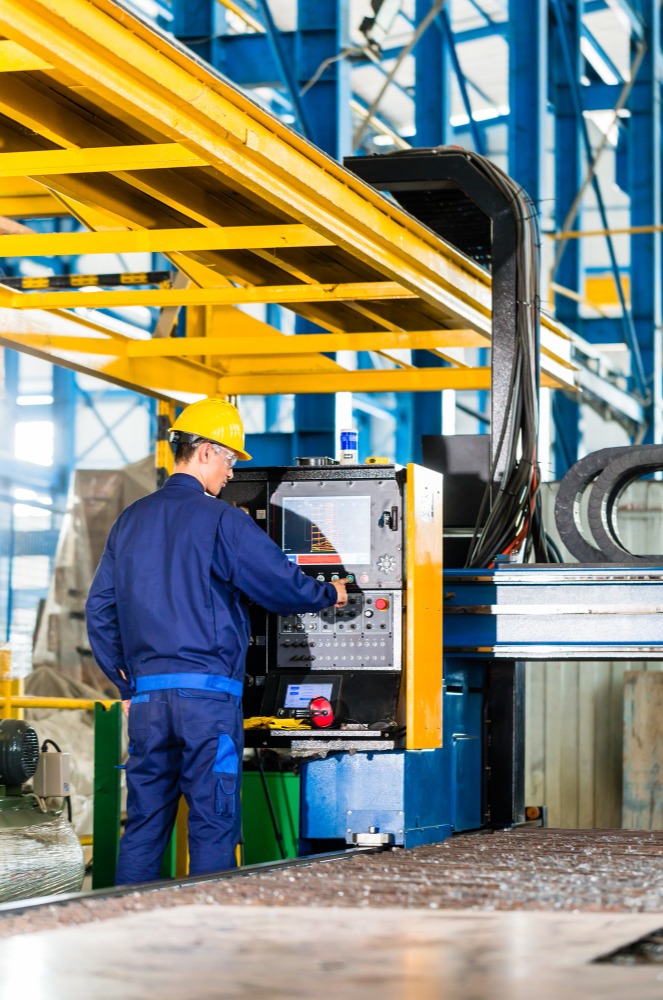
Heavy fabrication involves cutting, bending, welding, machining, and assembling thick metal plates, structural sections, and large components into finished products or sub-assemblies.
Depending on the application, fabrication may involve:
- Structural steel fabrication
- Heavy plate fabrication
- Large welded assemblies
- Machine base fabrication
- Industrial equipment frames
- Fabrication for OEM assemblies
The process often combines multiple manufacturing techniques to produce components capable of handling significant loads, vibration, impact, and continuous operation.
Industries That Depend on Heavy Fabrication
Several industries rely on fabricated components as essential parts of their manufacturing process.
Earthmoving Equipment
Excavators, loaders, backhoe machines, and construction equipment require fabricated booms, frames, buckets, brackets, and supporting structures that can withstand harsh operating environments.
Automotive Manufacturing
Large production systems, robotic fixtures, assembly stations, and specialised tooling often incorporate fabricated steel components designed for accuracy and durability.
Defence Manufacturing
Military equipment demands fabricated structures with high dimensional precision, strict quality control, and dependable weld integrity to meet performance standards.
Mining Equipment
Mining machinery operates under extreme stress. Heavy fabricated components help support crushers, conveyors, screening systems, and material handling equipment that work continuously in demanding environments.
Pharmaceutical Machinery
Although pharmaceutical equipment often appears compact, many manufacturing systems require fabricated machine frames, support structures, and precision-engineered assemblies to ensure operational stability.
Manufacturers serving these industries require fabrication partners capable of delivering consistency across every project.
Materials Used in Heavy Fabrication
The choice of material depends on the intended application, environmental conditions, and mechanical requirements.
Common materials include:
- Mild steel
- Carbon steel
- Alloy steel
- Stainless steel
- High-strength structural steel
Selecting the right material ensures better strength, improved service life, and compatibility with subsequent machining and assembly processes.
Precision Matters Beyond Welding
Many people assume fabrication simply involves joining metal sections together. In reality, dimensional accuracy is equally important.
Poorly fabricated components can create problems during:
- CNC machining
- Mechanical assembly
- Alignment
- Installation
- Field operation
Maintaining close tolerances during fabrication reduces downstream corrections, saving both production time and manufacturing costs.
For OEM manufacturers, even small dimensional variations can affect the fit and performance of the final product.
Quality Practices That Improve Fabricated Components
Reliable fabrication companies typically implement multiple quality checks throughout production.
These include:
- Raw material verification
- Dimensional inspection
- Welding inspection
- Surface quality checks
- Assembly verification
- Final measurement before dispatch
Inspection at every stage helps minimise defects while ensuring components meet engineering drawings and customer specifications.
Why Manufacturing Location Matters
Industrial hubs often offer advantages beyond geographical convenience.
Companies operating in established manufacturing regions such as Chakan benefit from access to skilled engineers, specialised machining facilities, experienced fabrication professionals, and an efficient supplier ecosystem. This combination helps improve production timelines while supporting consistent manufacturing quality for OEM customers across Maharashtra and neighbouring industrial regions.
Heavy Fabrication Combined With Precision Machining
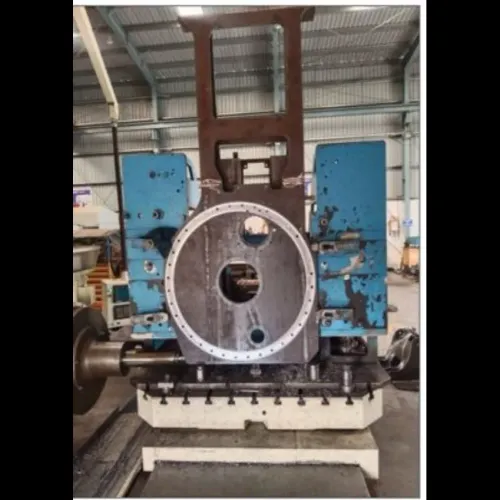
Many industrial components require both fabrication and machining before becoming production-ready.
Examples include:
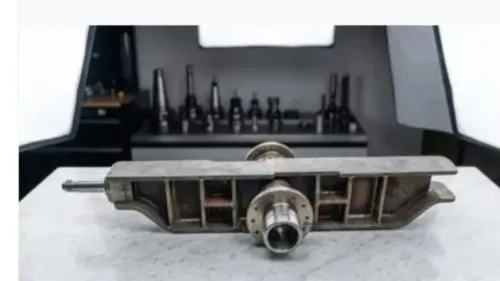
- Machine beds
- Equipment frames
- Industrial housings
- Welded bases
- Structural assemblies
- Large engineering components
Completing both processes under one manufacturing system reduces handling, improves dimensional accuracy, and simplifies project management.
Pranav Heavy Industries Private Limited is among the manufacturers that integrate heavy fabrication with precision machining capabilities, enabling OEMs to source engineered components through a streamlined production approach. This integrated model supports industries such as earthmoving equipment, automotive, mining, defence, and pharmaceutical machinery, where quality and consistency remain essential throughout the manufacturing process.