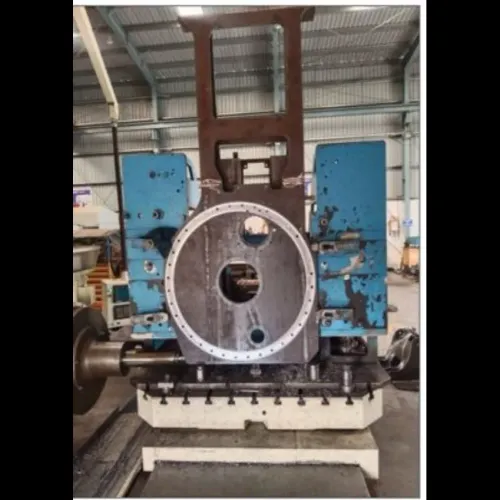


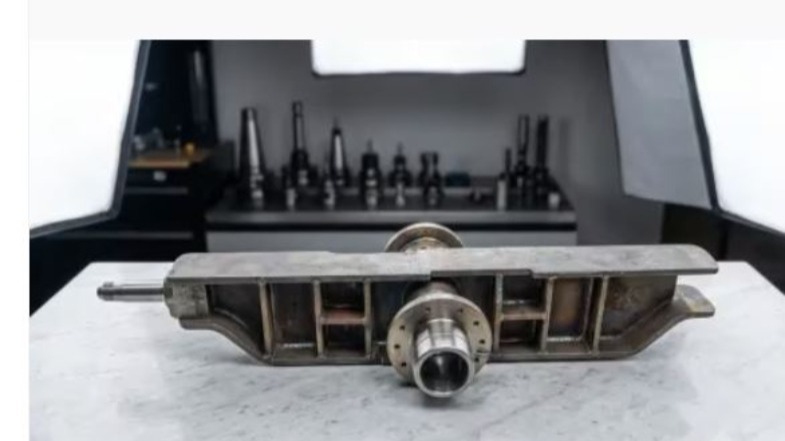
Manufacturing components for the Defence sector demands a higher level of engineering discipline than most industrial applications. Every fabricated and machined component must meet strict dimensional tolerances, material specifications, and quality requirements to ensure dependable performance in mission-critical environments.
Unlike conventional manufacturing, defence equipment production focuses on consistency, traceability, structural integrity, and repeatability. Whether producing support structures, machined housings, fabricated assemblies, or specialised engineering components, precision at every stage is essential.
For OEMs and defence equipment manufacturers, selecting an experienced engineering partner can significantly improve manufacturing efficiency while maintaining the high standards expected within the industry.
What Makes Defence Manufacturing Different
Defence components are often designed for demanding operating conditions where reliability cannot be compromised. These components may be subjected to heavy loads, vibration, continuous operation, and harsh environmental conditions.
As a result, manufacturers require engineering processes that consistently deliver:
- Tight dimensional accuracy
- High structural strength
- Reliable weld quality
- Consistent repeatability
- Excellent surface finish
- Comprehensive inspection
Achieving these standards requires advanced manufacturing capabilities combined with disciplined quality control procedures.
Engineering Processes Used for Defence Components
Most defence equipment components undergo multiple manufacturing operations before reaching final assembly.
Common processes include:
- Heavy fabrication
- Light fabrication
- Precision machining
- VMC machining
- HMC machining
- Welding
- Fabrication and machining assemblies
Combining these processes within a single manufacturing facility improves coordination while reducing production delays.
Components Commonly Manufactured
Precision engineering supports a wide range of defence-related applications.
These include:
- Equipment support structures
- Machine frames
- Mounting plates
- Precision brackets
- Structural assemblies
- Fabricated housings
- Custom-engineered components
- Heavy-duty fabricated bases
Many of these components require both fabrication and CNC machining to achieve the required dimensional accuracy.
Why Dimensional Accuracy Is Critical
Every defence assembly consists of multiple interconnected components. Even a minor variation in one part may affect assembly, alignment, or overall system performance.
Accurate machining helps ensure:
- Proper component fit
- Smooth assembly
- Reduced manual adjustments
- Better operational reliability
- Improved product consistency
- Easier maintenance during service life
Precision engineering also reduces production rework, saving valuable manufacturing time.
Material Selection Influences Performance
The choice of material depends on the intended application and engineering requirements.
Frequently used materials include:
- Mild steel
- Carbon steel
- Alloy steel
- Stainless steel
- High-strength engineering steel
Selecting the right material supports durability while ensuring compatibility with fabrication and machining operations.
Quality Assurance Throughout Production
Inspection is an essential part of defence manufacturing. Quality checks are performed throughout the production cycle rather than only after completion.
Typical inspection activities include:
- Raw material verification
- Dimensional inspection
- Welding inspection
- Machining accuracy checks
- Surface finish evaluation
- Final component verification
Maintaining inspection records throughout production helps manufacturers achieve consistent quality across every batch.
How Integrated Manufacturing Benefits Defence OEMs
Working with multiple vendors for fabrication, machining, welding, and assembly can increase lead times and create coordination challenges.
An integrated manufacturing partner offers several advantages:
- Better communication between production teams
- Faster manufacturing cycles
- Improved dimensional consistency
- Reduced handling of semi-finished components
- Simplified project management
- Greater control over production quality
This approach allows OEMs to manage complex engineering projects more efficiently while maintaining strict quality expectations.
Manufacturing Expertise From Chakan
Chakan has established itself as one of Maharashtra's leading industrial manufacturing locations, supporting advanced engineering through modern CNC infrastructure, experienced technical professionals, and a strong supplier ecosystem. This makes the region well suited for producing precision-engineered components required by demanding industries such as defence manufacturing.
Pranav Heavy Industries Private Limited manufactures precision-engineered components for the Defence industry by integrating heavy fabrication, light fabrication, precision machining, VMC machining, HMC machining, welding, and fabrication assemblies under one manufacturing system. With a focus on engineering accuracy, process consistency, and comprehensive quality inspection, the company supports OEMs seeking dependable manufacturing solutions for complex defence equipment components.