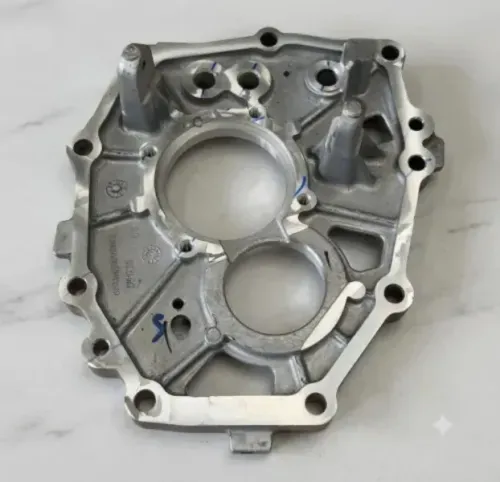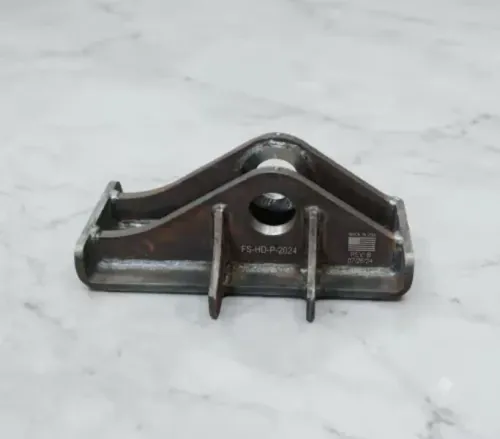
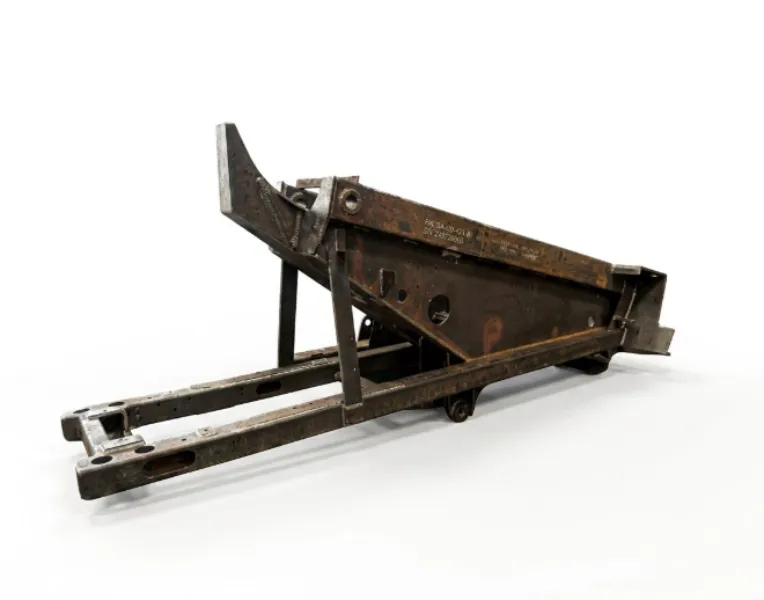
Pharmaceutical equipment manufacturers often require fabricated and machined components that must integrate accurately into larger production systems. Choosing a source for Pharmaceutical Machinery Component Manufacturing therefore involves evaluating material compatibility, drawing control, fabrication quality, machining accuracy, surface requirements, and documentation.
For machinery OEMs sourcing from Chakan or elsewhere in Maharashtra, a detailed pre-order review can prevent expensive changes during equipment assembly.
Confirm the Component's Functional Environment
Not every component in pharmaceutical machinery has the same requirement.
A structural frame located outside a product-contact area may have different material, finishing, and documentation needs from a component used in a controlled process environment.
Before requesting quotations, buyers should clearly identify:
- Component function
- Material grade
- Product-contact status where applicable
- Surface finish requirements
- Weld finishing requirements
- Dimensional tolerances
- Inspection expectations
- Documentation requirements
This prevents suppliers from making assumptions based solely on the component name.
Check Stainless Steel Manufacturing Capability
Pharmaceutical machinery commonly uses stainless steel for selected structures and equipment components, although the appropriate grade depends on the design and application.
Manufacturing stainless steel requires suitable material handling and fabrication practices. Buyers should discuss how material identification, cutting, welding, machining, and surface treatment requirements will be managed for the specific job.
Where contamination control or dedicated handling is specified, these expectations should be clearly communicated before production.
Review Weld Quality Requirements
Visible weld appearance alone does not establish whether a fabricated component meets its technical requirements.
Drawings may define weld size, joint configuration, finishing, or inspection expectations. The supplier should manufacture against those requirements rather than relying on a generic welding approach.
For equipment structures where cleanliness and surface accessibility matter, design and fabrication details may also affect how easily the completed machine can be maintained.
Verify Machining Accuracy
Pharmaceutical machinery assemblies can contain accurately positioned bearing housings, mounting interfaces, shafts, drive components, and equipment supports.
Machining capability should therefore be evaluated against the tolerances shown on the drawing.
When welded structures require machining, confirm that adequate machining allowance is included and that distortion will be considered during process planning.
Look Beyond the Quoted Price
A quotation may cover fabrication and machining while leaving other necessary activities unclear.
Procurement teams should confirm whether the commercial scope includes:
- Material
- Cutting and preparation
- Welding
- Machining
- Inspection
- Surface treatment
- Documentation
- Packaging
- Transportation
Clear scope comparison makes supplier quotations easier to evaluate fairly.
Check Capacity for Repeat Orders
Machinery OEMs frequently require repeat components for multiple equipment builds.
A supplier suitable for a prototype should also demonstrate how subsequent components will be produced consistently. Fixtures, process plans, inspection records, and controlled drawings can contribute to repeatability.
Pranav Heavy Industries Private Limited provides heavy fabrication, precision machining, and engineering component manufacturing capabilities from Chakan, placing the company within one of Maharashtra's established industrial supply regions.
Signs That a Supplier Is Ready for Technical Discussion
A potential manufacturing partner should be able to discuss the drawing in manufacturing terms rather than only offering a price. Useful readiness indicators include questions about material grade, machining datums, tolerance-critical features, welding requirements, inspection stages, and expected quantities.
For pharmaceutical machinery OEMs, supplier selection should ultimately be based on the specific component and its intended environment. By defining requirements early and reviewing fabrication, machining, inspection, documentation, and repeatability together, procurement teams can reduce ambiguity and create a more predictable route from drawing release to equipment assembly.
Keywords