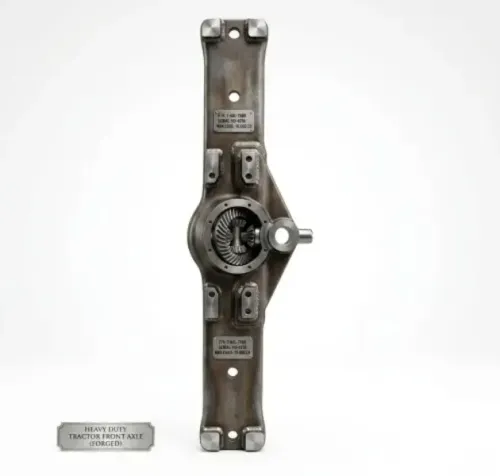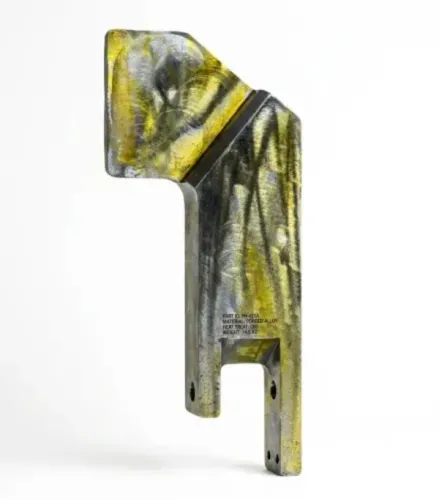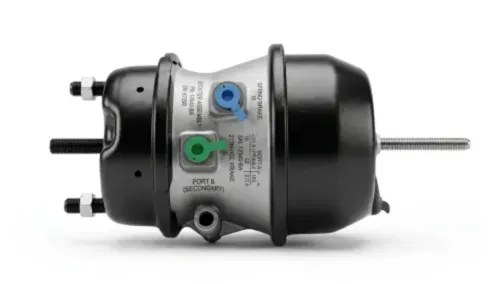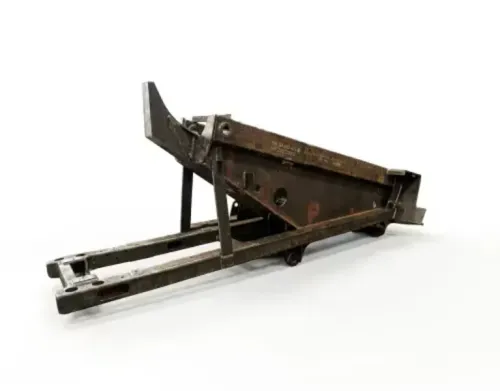
Mining machinery works in an environment where fabricated components can encounter heavy loads, abrasive conditions, vibration, impact, and continuous operating cycles. When evaluating Mining Machinery Fabrication Services, engineering teams must therefore consider how manufacturing decisions influence structural integrity, dimensional accuracy, maintainability, and equipment availability.
For industrial buyers in Chakan and Maharashtra, solving recurring fabrication problems often begins by identifying where variation enters the production process.
Problem: Distortion After Heavy Welding
Thick welded structures can accumulate substantial heat during fabrication. Without appropriate sequencing, the component may move away from its intended geometry.
This can create problems when machined interfaces need to align with bearings, shafts, hydraulic systems, or mating assemblies.
A controlled approach can involve balanced welding sequences, suitable fixtures, intermediate dimensional checks, and planned machining allowances.
The goal is not to assume that welding will produce zero movement. It is to understand likely movement and manage it through the manufacturing route.
Problem: Inconsistent Fit-Up
Poor fit-up can affect weld quality and dimensional consistency.
If cut parts vary or joint preparation is inconsistent, welders may need to compensate during assembly. That can increase heat input and make repeatability more difficult.
Accurate cutting, edge preparation, part identification, and fit-up inspection help establish a more stable foundation for subsequent welding.
Problem: Material Requirements Are Not Fully Controlled
Mining equipment components may use different steel grades depending on strength, wear, fabrication, and design requirements.
Material substitutions should not be made casually. The specified grade can influence welding procedure, machining behavior, and component performance.
Procurement documentation should clearly communicate material specifications, while the manufacturer should maintain suitable identification and traceability practices according to project requirements.
Problem: Machining Is Considered Too Late
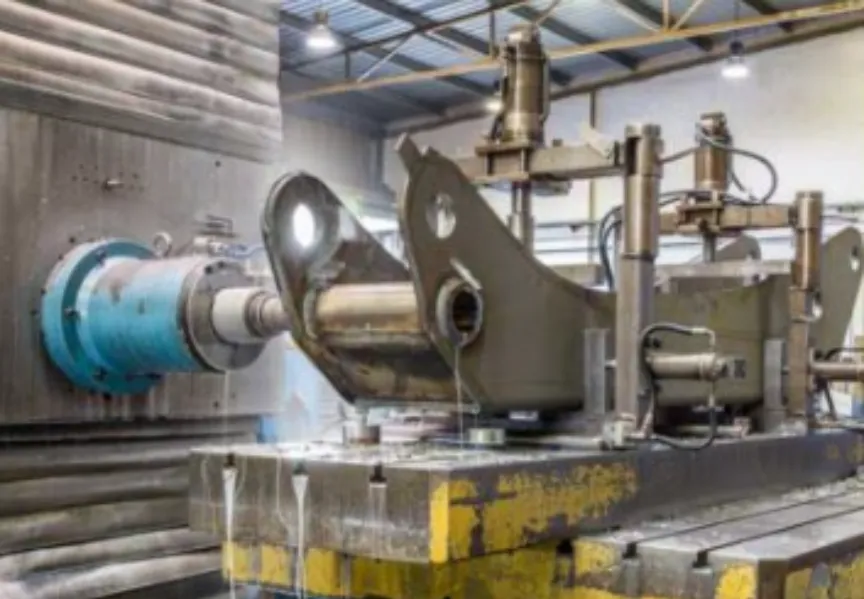
Large mining equipment structures often contain bores, mounting faces, holes, or other precision features.
If machining requirements are reviewed only after welding, teams may discover insufficient machining stock, poor tool access, or a datum strategy that is difficult to execute.
Fabrication and machining engineers should ideally review complex components before production begins.
This allows critical machining requirements to influence fabrication decisions from the start.
Problem: Quality Checks Occur Only at Dispatch
Final inspection is necessary, but it cannot efficiently replace process-stage control.
If a large structure reaches final inspection with a major dimensional issue, correction may be difficult and expensive. Intermediate checks allow teams to identify deviations while corrective options remain practical.
Inspection stages should be determined by component complexity and customer specifications rather than applying one generic checklist to every part.
Reliability Begins With Manufacturing Discipline
For mining machinery, a component's visible appearance reveals only part of its manufacturing quality. Buyers also need confidence in material control, weld execution, geometry, machining accuracy, and inspection.
Pranav Heavy Industries Private Limited operates in Chakan's heavy engineering manufacturing environment, supporting fabrication and machining requirements where large-component process coordination is important.
A Practical Evaluation Approach
Before awarding a mining machinery fabrication package, buyers can review:
- Previous experience with comparable component sizes
- Welding and fabrication infrastructure
- Machining envelope and load capacity
- Material handling arrangements
- Inspection equipment
- Process documentation
- Traceability requirements
- Corrective-action procedures
- Capacity for repeat production
The objective is not simply to identify a supplier capable of making one acceptable component. Mining equipment programmes often require consistent output over multiple production cycles.
For buyers across Chakan, Pune, and Maharashtra's industrial belt, reliable fabrication comes from controlling variation before it reaches the finished component. When cutting, fit-up, welding, machining, handling, and inspection are treated as connected stages, manufacturers are better positioned to deliver components that integrate smoothly into demanding mining machinery assemblies.
Keywords