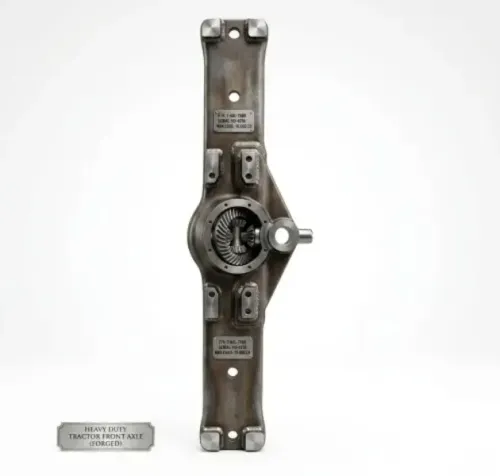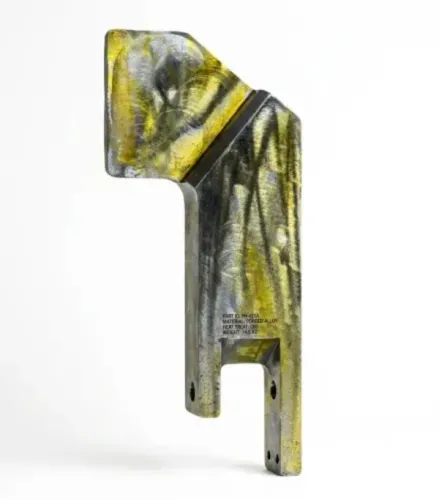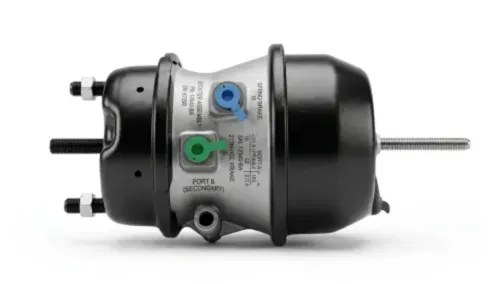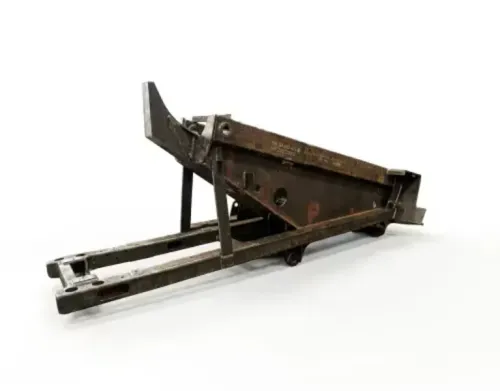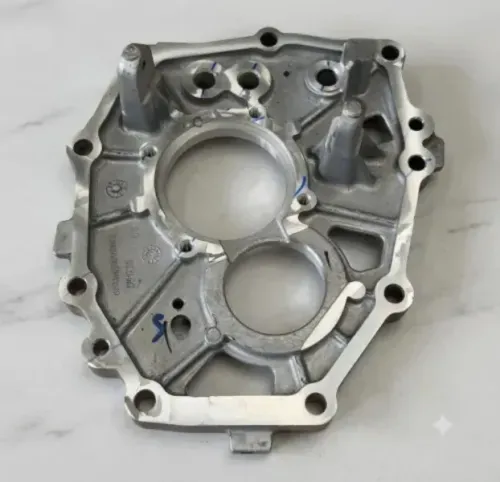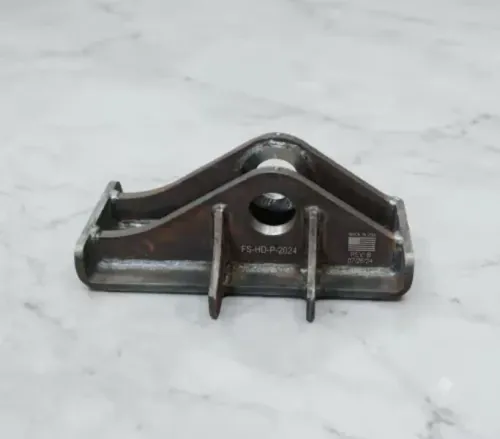
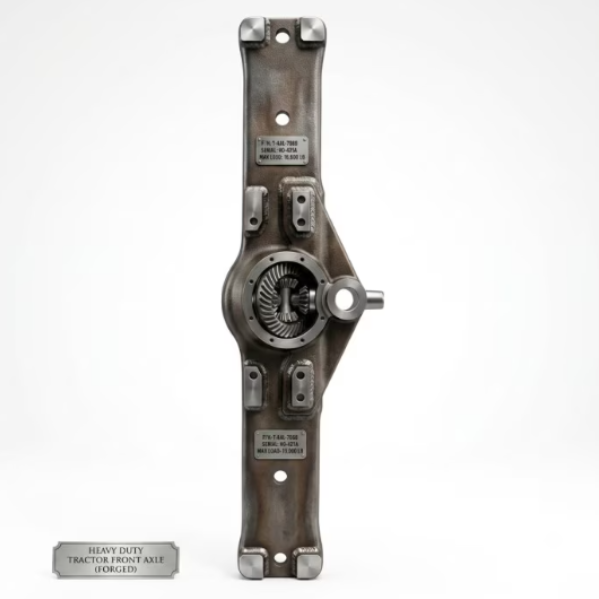
Outsourcing a finished industrial assembly can simplify an OEM's supply chain, but it also transfers greater manufacturing responsibility to the supplier. Industrial Assembly Manufacturing Services may involve fabricated parts, machined components, bought-out items, inspection, fitting, subassembly work, and coordinated delivery as one production package.
For OEMs and engineering companies in Chakan and Maharashtra, choosing an assembly partner therefore requires evaluating more than fabrication capacity. The supplier must be prepared to manage interfaces between multiple components and processes.
Look for Drawing-to-Assembly Capability
An assembly provider should understand how individual manufacturing tolerances influence the finished equipment.
A frame may meet its fabrication dimensions, and a machined housing may individually meet its drawing, yet the final assembly can still encounter problems if interfaces were not considered together.
During technical evaluation, discuss:
- Assembly datums
- Critical interfaces
- Fit requirements
- Alignment requirements
- Machined mounting locations
- Bought-out component interfaces
- Inspection stages
- Final acceptance criteria
This establishes whether the supplier is thinking at assembly level rather than only component level.
Check Fabrication and Machining Coordination
Assemblies built around welded structures often need machined reference surfaces.
If fabrication and machining are coordinated, the manufacturing route can be planned around final assembly requirements. Critical mounting faces, bores, and holes can be machined from suitable datums after the welded structure reaches the required condition.
This can reduce tolerance-stack problems during final fitting.
Assess Bought-Out Item Management
Some assemblies contain bearings, fasteners, bushes, seals, or other customer-specified items.
The commercial and technical scope should clearly define who is responsible for sourcing these parts, which approved makes or specifications apply, and how incoming components will be inspected or verified.
Ambiguity in bought-out material responsibility can easily affect assembly schedules.
Review Assembly Infrastructure
Large industrial assemblies need appropriate working space, lifting capacity, fixtures, tools, and inspection equipment.
A supplier should be able to demonstrate how the proposed assembly will move through the facility and how it will be supported during fitting and inspection.
For particularly heavy assemblies, dispatch planning should also be considered early because packaging and transportation constraints can influence the final manufacturing sequence.
Evaluate Quality Control at Interface Points
Inspection of individual parts is important, but assembly-level inspection adds another layer.
Depending on the product, checks may include:
- Alignment
- Interface dimensions
- Fastener verification
- Functional movement
- Assembly orientation
- Critical clearances
- Customer-defined inspection points
- Final dimensional verification
The actual inspection plan should follow the assembly drawing and customer requirements.
Ask About Production Readiness
A supplier may successfully produce a development assembly but struggle when quantities increase.
OEM buyers should therefore evaluate capacity for repeat production. Questions should cover fixture availability, manpower, machining capacity, fabrication capacity, inspection resources, production planning, and management of drawing revisions.
Pranav Heavy Industries Private Limited operates in Chakan with capabilities spanning heavy fabrication, precision machining, engineering component manufacturing, and industrial assembly requirements. Its location within Maharashtra's Pune-region manufacturing belt is relevant for OEMs seeking coordination across multiple heavy engineering processes.
Consider the Complete Supply-Chain Impact
When comparing assembly suppliers, unit price is only one part of the decision.
A production-ready source can potentially reduce the number of separate purchase orders, component movements, inspection handoffs, and coordination points that the OEM must manage. However, those advantages depend on the supplier genuinely having the required technical and operational capability.
Before placing an order, buyers should share drawings, specifications, expected quantities, inspection requirements, bought-out component responsibilities, and delivery expectations for technical review.
The right industrial assembly partner should demonstrate that fabrication, machining, component control, fitting, inspection, and logistics have been considered as one connected manufacturing process. For OEM and production managers in Chakan, that readiness is a stronger indicator of suitability than a general claim of being able to assemble industrial equipment.
Keywords