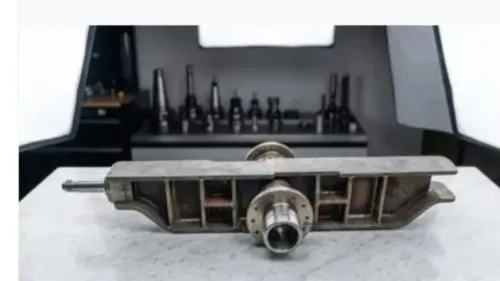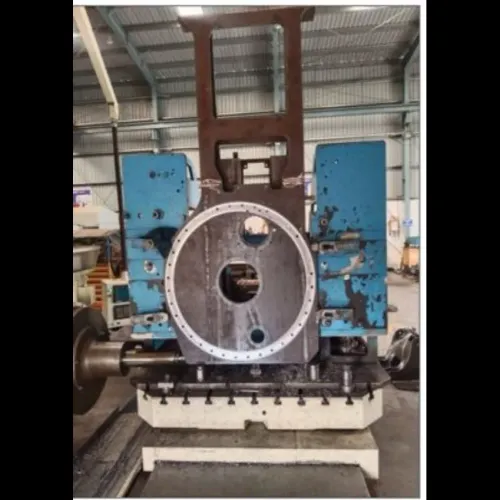


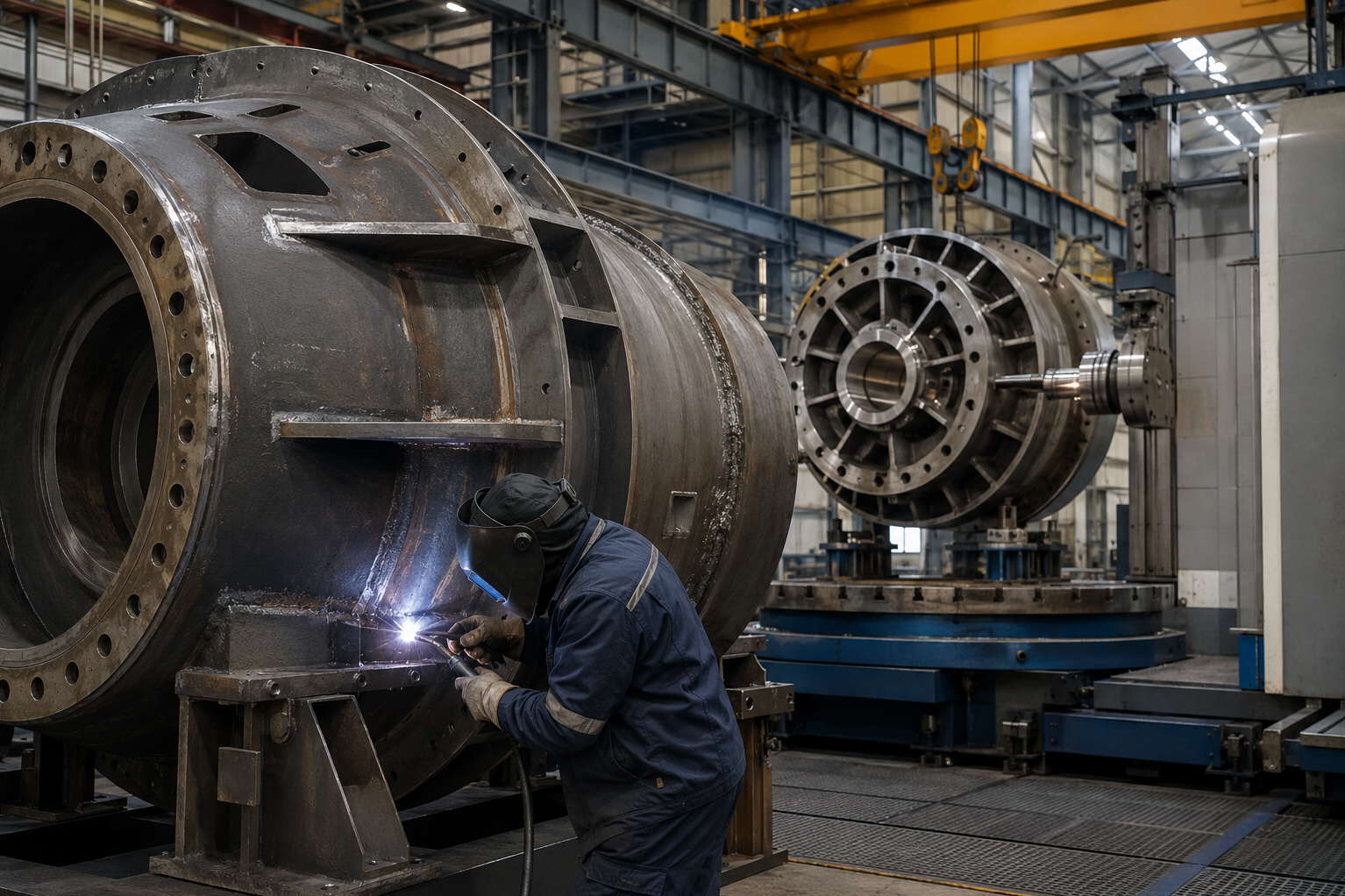
Heavy engineering components are expected to perform in demanding environments where strength, precision, and durability are essential. Industries such as mining, earthmoving, automotive, defence, and pharmaceutical machinery rely on components that can withstand continuous loads, vibration, impact, and harsh operating conditions. Achieving this level of performance requires more than quality materials, it depends on the effective integration of welding and machining throughout the manufacturing process.
When welding and machining are carried out as part of a coordinated workflow, manufacturers can achieve greater dimensional accuracy, stronger assemblies, and improved long-term reliability.
Why Welding and Machining Must Work Together
Welding joins individual metal parts into a complete structure, while machining ensures that critical surfaces, holes, and mounting areas meet exact engineering specifications.
A fabricated component often requires machining after welding because heat generated during welding can cause minor distortion. Precision machining restores critical dimensions so the finished component fits accurately during final assembly.
This combined approach is widely used for:
- Machine bases
- Equipment frames
- Structural housings
- Heavy fabricated assemblies
- Industrial support structures
- Custom-engineered components
Without proper machining after welding, even a well-fabricated structure may not meet the dimensional requirements needed for reliable operation.
Common Challenges During Manufacturing
Heavy engineering components present unique manufacturing challenges due to their size, weight, and complexity.
Some of the most common issues include:
- Heat distortion during welding
- Alignment errors
- Uneven stress distribution
- Dimensional variation
- Poor surface finish on functional areas
- Difficulty maintaining tight tolerances
Addressing these challenges requires careful production planning, experienced welders, and advanced CNC machining capabilities.
Benefits of Combining Welding With Precision Machining
Manufacturers increasingly prefer suppliers who can perform both operations under one roof because it improves overall production efficiency.
Improved Dimensional Accuracy
Machining after welding helps restore critical dimensions, ensuring that mounting faces, bearing locations, and connection points match engineering drawings.
Stronger Structural Integrity
Proper welding procedures create durable joints capable of handling heavy mechanical loads throughout the product's operating life.
Reduced Rework
When fabrication and machining teams work together, potential issues can be identified earlier, reducing costly modifications later in production.
Faster Manufacturing
Keeping both processes within one facility minimises transportation between suppliers and shortens project lead times.
Better Quality Consistency
Integrated production allows inspection teams to monitor every manufacturing stage using common quality standards.
Applications Across Major Industries
The combination of welding and machining supports a wide range of industrial applications.
Earthmoving Equipment
Excavators, loaders, and construction machinery depend on welded frames and accurately machined mounting surfaces that can withstand continuous heavy-duty operation.
Automotive Manufacturing
Production fixtures, robotic equipment, machine structures, and specialised tooling require welded assemblies with precision-machined interfaces for accurate installation.
Defence Equipment
Defence engineering projects often involve complex fabricated structures that demand both high-strength welds and accurately machined functional surfaces.
Mining Equipment
Mining machinery contains large structural components exposed to severe wear and impact. Precision machining following welding helps maintain alignment and improve equipment reliability.
Pharmaceutical Machinery
Machine frames used in pharmaceutical production benefit from precise machining to ensure smooth equipment performance and stable manufacturing processes.
Quality Checks That Make a Difference
Reliable manufacturing depends on inspection throughout production rather than only after completion.
Typical quality practices include:
- Material verification before fabrication
- Weld inspection during production
- Dimensional checks after welding
- CNC machining inspection
- Final assembly verification
- Documentation of critical measurements
These checks help ensure finished components meet customer specifications while reducing the likelihood of operational issues after installation.
Selecting the Right Manufacturing Partner
When evaluating suppliers for heavy engineering components, it is useful to consider more than individual machining or welding capabilities.
Look for manufacturers that offer:
- Heavy fabrication facilities
- Advanced CNC machining infrastructure
- Experienced welding teams
- Comprehensive quality inspection
- Engineering support
- Assembly capabilities
An integrated manufacturing approach helps simplify project coordination while improving consistency across every production stage.
Located in Chakan, one of Maharashtra's prominent industrial manufacturing centres, Pranav Heavy Industries Private Limited combines welding, heavy fabrication, and precision machining to manufacture complex engineering components for OEMs. By serving industries including automotive, earthmoving equipment, mining, defence, and pharmaceutical machinery, the company delivers engineered solutions that prioritise accuracy, structural strength, and dependable manufacturing quality.