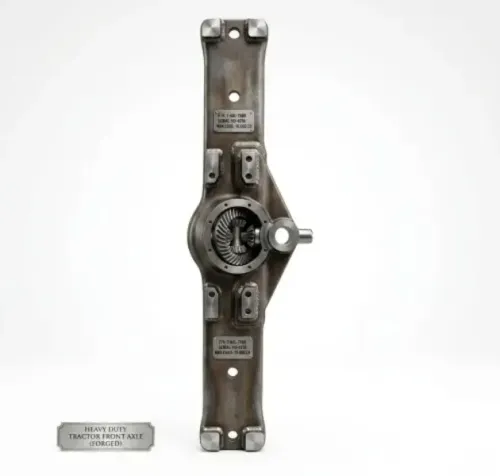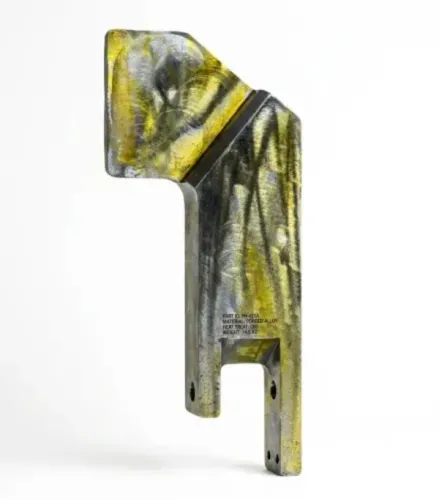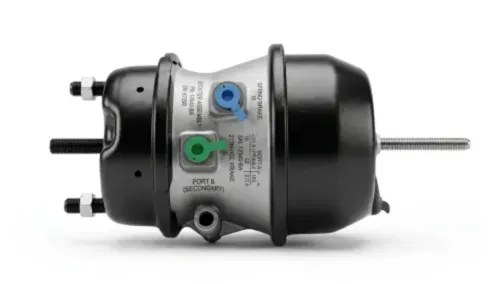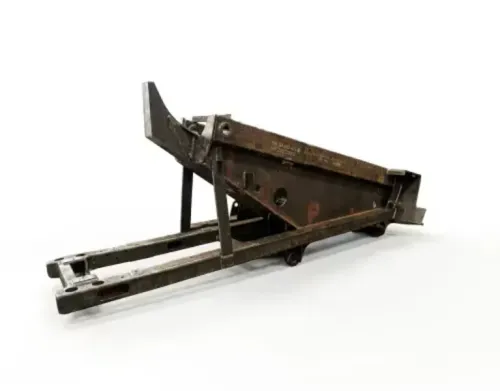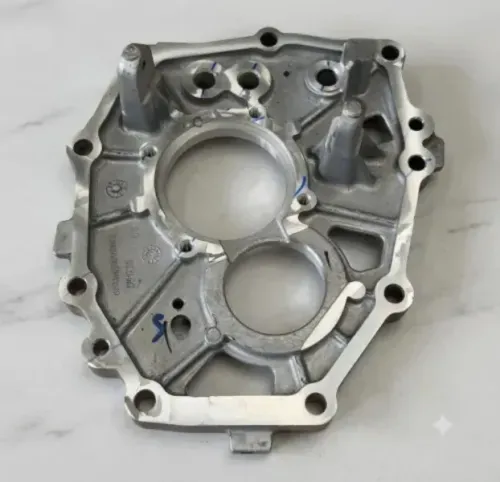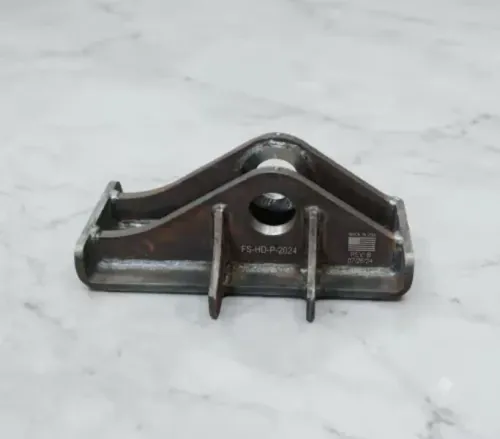
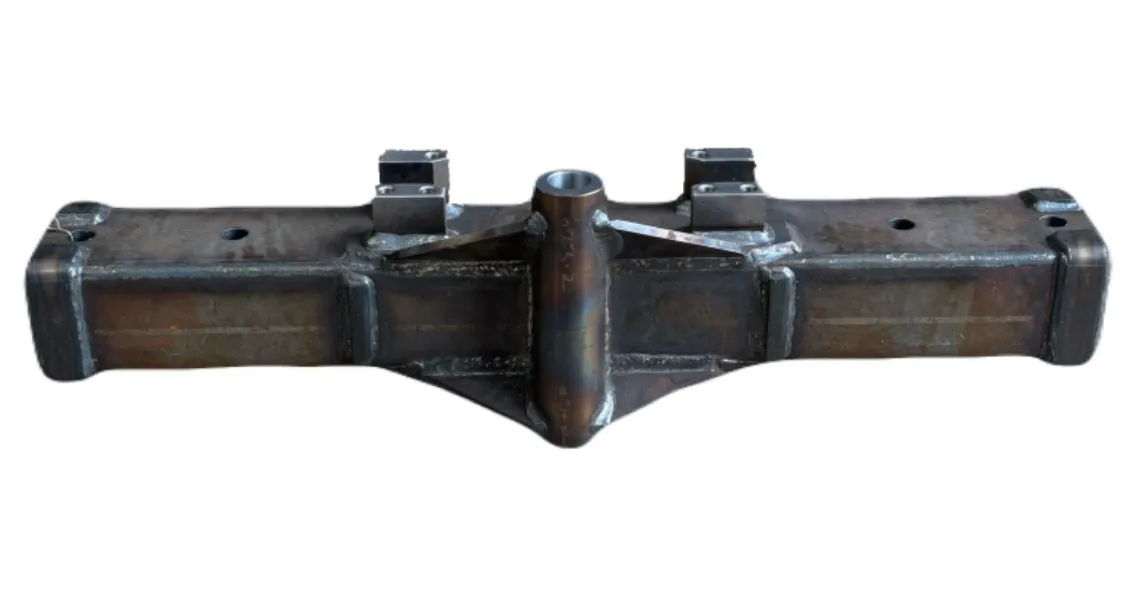
Earthmoving equipment operates under demanding conditions involving high loads, vibration, repeated movement, dust, impact, and extended working cycles. Selecting an Earthmoving Machinery Component Supplier therefore requires more than comparing prices or checking whether a vendor can fabricate a component of the required size.
OEM procurement and engineering teams in Chakan and across Maharashtra need to evaluate whether the manufacturing process is suitable for the actual functional demands of the part.
Start With Drawing and Material Capability
Earthmoving machinery components can involve thick plates, high-strength steels, welded assemblies, precision-machined interfaces, and complex geometries.
Before commercial evaluation, confirm whether the supplier can work with the specified:
- Material grade
- Plate thickness
- Component dimensions
- Finished weight
- Weld specifications
- Machining tolerances
- Inspection requirements
A supplier may have general fabrication experience but still lack the process capability needed for a particular component.
Examine Welding Process Control
For load-bearing welded structures, consistency is critical.
Ask how fit-up, joint preparation, welding parameters, consumables, and sequencing are controlled. Where customer specifications require qualified procedures or defined inspection methods, these requirements should be discussed during technical evaluation.
Distortion control deserves particular attention because earthmoving components frequently combine welded structures with accurately positioned bores or mounting surfaces.
Review Machining Capability Against the Actual Part
A machine shop should not be evaluated merely by the presence of CNC equipment.
Buyers should compare machine travel, work envelope, load capacity, tooling, setup options, and measurement capability with the dimensions of the proposed component.
For large fabricated parts, also consider how the supplier establishes datums after welding and how critical features are maintained relative to one another.
Look at Material and Component Handling
Large earthmoving components can require substantial lifting and turning during production. Adequate handling arrangements help components move safely between cutting, fabrication, welding, machining, inspection, and dispatch.
This capability can influence both productivity and quality.
A facility that can perform an operation but struggles to position the component efficiently may encounter unnecessary production delays.
Evaluate Inspection at Multiple Stages
Quality control should not begin only after machining is complete.
A practical inspection flow may cover:
- Incoming material verification
- Cut-part dimensions
- Fit-up
- Weld quality
- Fabricated dimensions
- Pre-machining condition
- Machined characteristics
- Final component inspection
Ask what records are maintained and how deviations are handled when they are detected.
Assess Repeatability for OEM Production
Prototype capability and repeat-production capability are different.
OEM programmes may require components to be supplied consistently across repeated schedules. Buyers should therefore evaluate whether manufacturing methods are documented and whether fixtures, process plans, inspection methods, and production controls can support repeat orders.
Pranav Heavy Industries Private Limited is based in the Chakan industrial region and works within the heavy engineering, fabrication, and machining ecosystem serving industrial manufacturing requirements.
Consider Logistics and Communication
Location can also influence supplier effectiveness. Heavy components require careful transport planning, and frequent technical coordination may be necessary during development or first-off production.
For OEMs around Chakan, Talegaon, Pune, and nearby Maharashtra industrial clusters, a manufacturing source located within the regional supply chain can make drawing discussions, inspection visits, and logistics easier to coordinate.
The strongest supplier evaluation combines technical capability with process discipline. Instead of asking only, “Can this component be manufactured?”, procurement teams should ask how it will be manufactured, inspected, handled, documented, and repeated. Those answers provide a much clearer indication of whether a supplier is prepared for demanding earthmoving machinery requirements.
Keywords