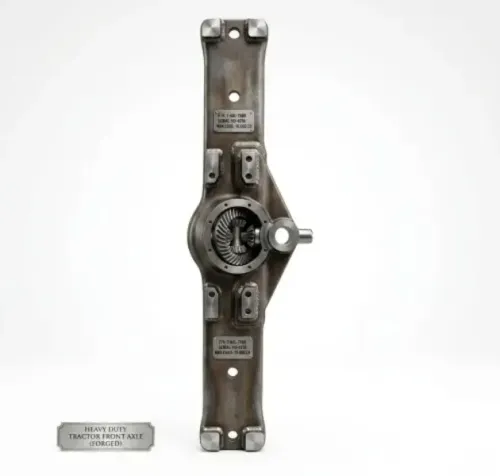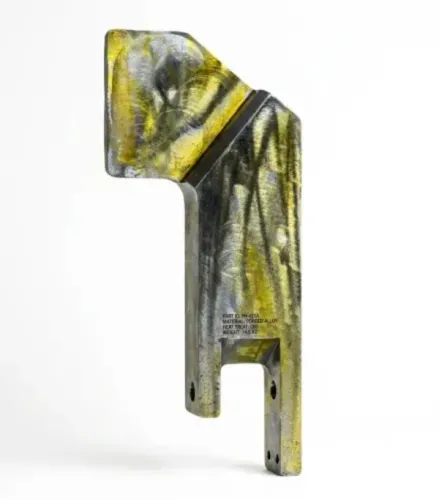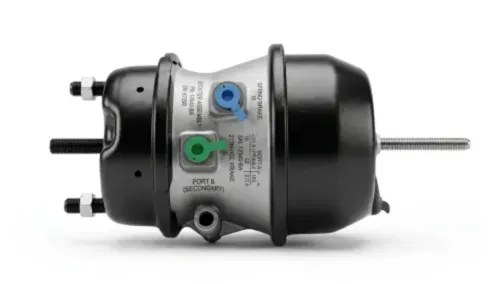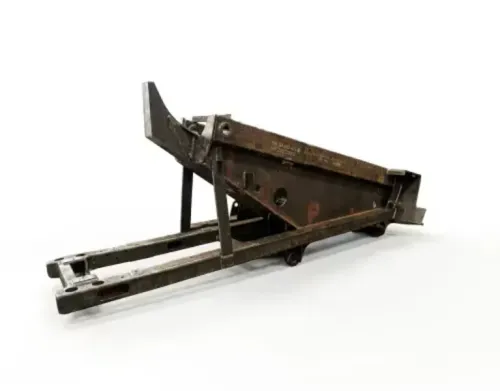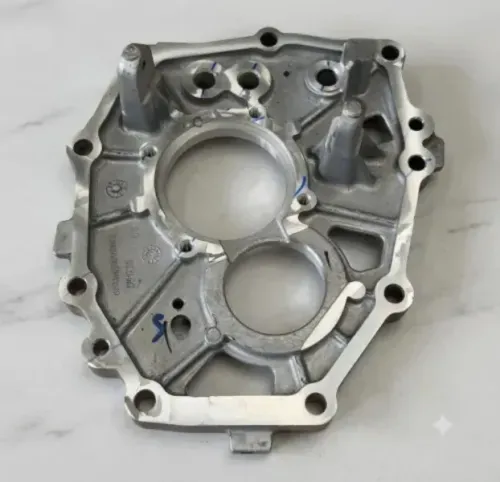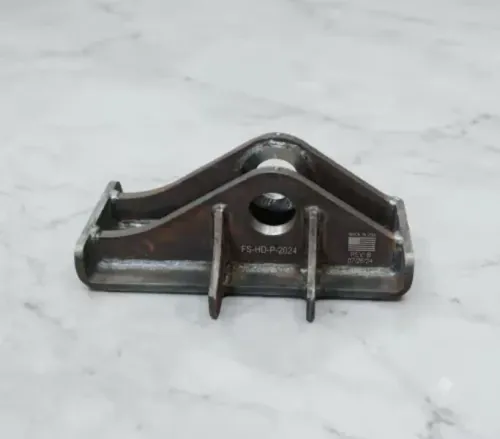
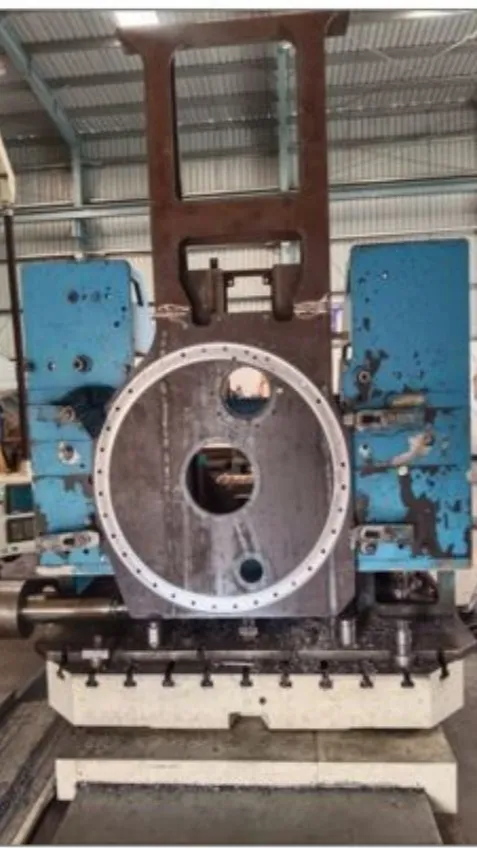
Large machines used in manufacturing, material handling, construction, mining, and process industries depend on fabricated components that repeatedly experience mechanical loads. Heavy Machinery Component Fabrication focuses on producing these structural parts with the geometry, material properties, weld integrity, and machined interfaces required by the equipment design.
For engineering teams in Chakan and other manufacturing centres across Maharashtra, component reliability begins long before the machine enters operation.
Where Fabricated Components Are Used
Heavy machinery can contain numerous welded and machined assemblies. Depending on the equipment design, fabricated components may include:
- Main frames
- Equipment bases
- Structural housings
- Support structures
- Arms and brackets
- Mounting assemblies
- Welded beams
- Machinery subframes
- Fabricated enclosures
- Load-bearing structures
Some components primarily provide structural support, while others maintain alignment between moving or rotating assemblies. Their manufacturing requirements can therefore vary significantly.
Load Conditions Influence Manufacturing Requirements
The fabrication method should reflect how the component will function in service. A static support structure and a machine component exposed to cyclic loading do not necessarily require identical manufacturing controls.
Engineering drawings may specify material grade, weld size, joint configuration, dimensional tolerance, and inspection requirements based on expected service conditions.
Fabricators need to interpret these requirements correctly rather than treating every welded assembly in the same way.
Distortion Can Affect Equipment Assembly
One of the most common challenges in heavy fabrication is controlling movement caused by welding heat.
Consider a large machine frame containing mounting surfaces at opposite ends. Even moderate distortion can affect alignment when motors, bearings, gearboxes, cylinders, or other assemblies are installed.
Several methods can help manage this risk:
- Planned welding sequences
- Balanced welding where appropriate
- Suitable fixtures
- Intermediate dimensional checks
- Controlled fit-up
- Correct machining allowance
- Final machining of critical interfaces
The appropriate approach depends on the component geometry and design requirements.
Fabrication Quality Begins With Material Preparation
Cutting accuracy and edge preparation affect everything that follows. Poorly prepared plates can create inconsistent gaps during fit-up, making welding and dimensional control more difficult.
Material preparation may involve profiling, drilling, beveling, forming, and cleaning before assembly.
Identification and traceability also become important when specific material grades are required. Mixing visually similar materials can create serious quality issues, particularly for critical machinery components.
Heavy Components Need Thoughtful Handling
Material handling is sometimes overlooked during supplier evaluation. Large assemblies must be lifted, rotated, transferred between fabrication and machining operations, and positioned for inspection.
Handling arrangements should protect both the component and its dimensional integrity. Appropriate lifting equipment and planned lifting points can reduce unnecessary risks during production.
For buyers, this means manufacturing capacity should be evaluated in terms of the complete component—not only whether individual fabrication operations are technically possible.
Fabrication and Machining Are Closely Connected
Many machinery structures need machined surfaces after welding. Critical interfaces may include bores, bearing seats, mounting pads, guide surfaces, and bolt patterns.
When fabrication and machining planning are coordinated, allowances and reference points can be incorporated from the beginning. This reduces the likelihood of discovering insufficient machining stock or inaccessible features later.
Pranav Heavy Industries Private Limited operates in Chakan's engineering manufacturing environment, where large fabricated and machined components are required by OEMs and industrial equipment manufacturers across Maharashtra.
For project and production teams, reliable heavy machinery fabrication is ultimately about preserving the designer's functional intent through every manufacturing stage. The structure must not only resemble the drawing; its material, welded joints, dimensions, machined interfaces, and assembly relationships must collectively support the equipment's intended operation.
Keywords