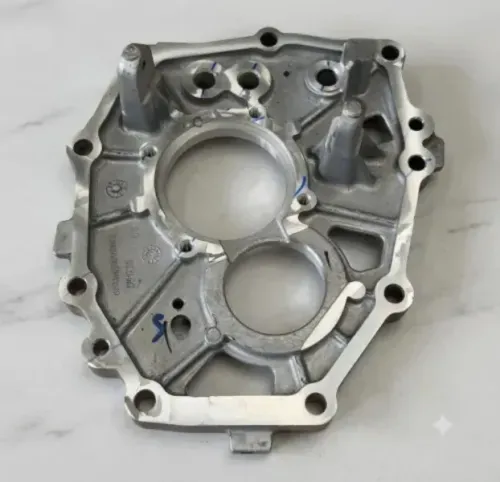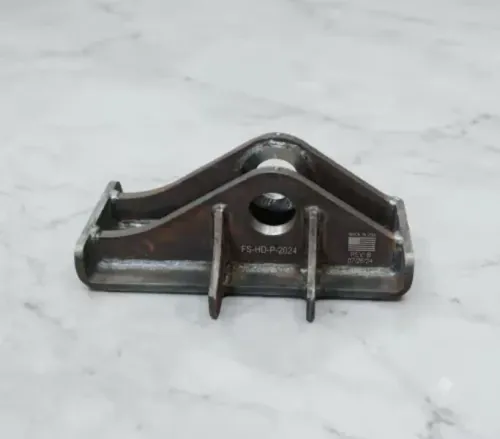
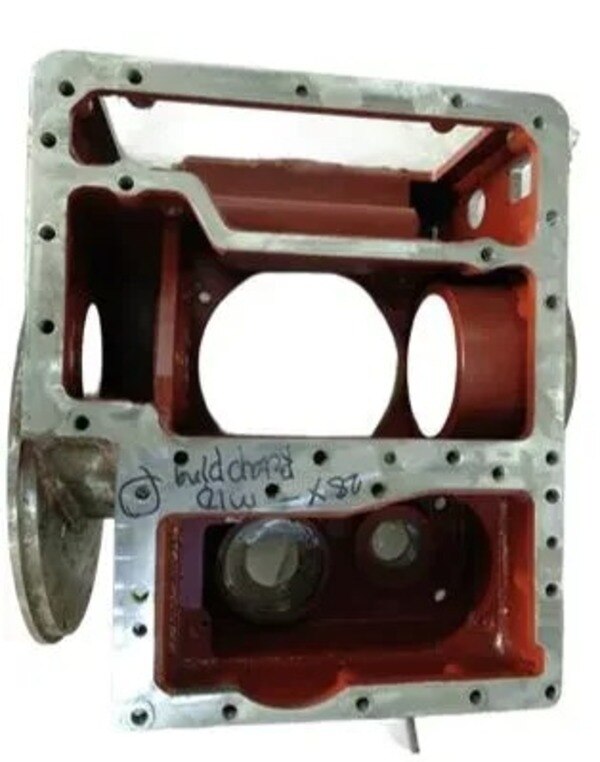
A failed industrial gear box demands more than a replacement gear: unsafe isolation, incomplete failure evidence and a mismatched component can turn a short stoppage into a second breakdown. You will be able to control the incident, identify the failure mode, choose the right recovery route and specify acceptance checks for replacement parts or a complete unit.
Key takeaways
- Apply lockout/tagout before opening the gear box or moving connected equipment.
- Match replacement components to gear geometry, shaft dimensions, bearings and lubrication requirements.
- Confirm failure mode before ordering parts to avoid repeating the original fault.
- Test alignment, backlash, vibration, temperature and oil condition after repair.
What to do immediately after a gear box breakdown in Chakan
Stop the gearbox and make the machine safe before touching the housing. Apply lockout/tagout to the motor and every connected energy source, including electrical, hydraulic, pneumatic and stored mechanical energy. Block suspended or elevated loads, release pressure, allow hot oil and surfaces to cool, and prevent anyone from jogging the drive.
For gear box breakdown recovery in Chakan, preserve the failure scene before cleaning or dismantling it. Record the time, load, speed, rotation direction, oil temperature, alarms, abnormal noise, vibration and the event that stopped production. Photograph the gearbox, coupling, mounting position, oil leaks, fractured parts and instrument readings.
Use this immediate checklist:
- Mark the input and output rotation positions, coupling orientation, shims and mounting locations.
- Take an oil sample in a clean, labelled container; retain magnetic drain-plug debris and filter material.
- Drain oil into a clean pan, not onto the floor, and record its colour, smell, viscosity and visible metal or water.
- Tag every removed gear, bearing, shaft, seal and fastener with its original location; do not discard broken fragments.
- Protect exposed shafts and housing openings from dirt and rain, but do not wash tooth flanks, bearing seats or fracture surfaces.
- Measure backlash, end float, shaft runout, bearing fits and housing-bore dimensions before ordering parts.
- Keep the failed component, mating gear and housing together for controlled inspection; a photograph alone cannot define a replacement.
Do not replace only the visibly broken gear until secondary damage, contamination, alignment and housing distortion have been checked.
How to identify the failure mode before ordering components
Do not order parts from a symptom or photograph alone. Record the lubricant condition, tooth-flank condition, tooth-root cracks, bearing fits, shaft runout, housing-bore dimensions, backlash, end float and contact pattern before cleaning or discarding anything.
1. Noise that rises with speed points to gear mesh or bearing damage. A repeating knock marks a damaged tooth; a growl with rough bearing rotation indicates bearing failure.
2. Overheating is confirmed by discoloured oil, darkened or blued metal, burnt lubricant smell, tight bearings or inadequate end float. Check operating temperature and lubricant level before blaming the gearset.
3. Leakage leaves oil tracks at a seal, breather, split line or housing crack. A damaged seal lip identifies the immediate leak; low oil level and scoring on the shaft identify why it returned.
4. Vibration requires a spectrum or comparative reading. Gear-mesh peaks suggest tooth damage; running-speed vibration suggests imbalance or misalignment; high-frequency vibration with looseness supports bearing failure.
5. Excessive backlash appears as measurable angular movement at the output shaft. Compare it with the specified value and inspect tooth wear, keyways, splines and bearing end float.
6. Pitting, spalling, scuffing, chipped teeth or root cracks prove tooth damage. Magnetic-particle testing suits surface cracks in steel; ultrasonic testing checks relevant internal discontinuities.
7. A bent or worn shaft shows excessive runout, fretting at bearing seats, damaged keyways or spline wear. Measure unworn reference surfaces, not fretted seats.
8. Housing cracks appear as opened split lines, oil seepage or failed bearing-bore alignment. Check bore size, distortion and datums before industrial gear box component replacement; replacing one gear cannot correct a cracked or distorted housing.
How to specify a compatible industrial gear box replacement component
A photograph and nominal diameter do not define a compatible part. For industrial gear box component replacement, provide the gearbox manufacturer, model, serial number, ratio, drawing or nameplate data, and the original component’s measured dimensions.
- Record input and output speeds, torque, duty cycle, starts per hour, overloads, rotation direction, ambient and operating temperatures, lubricant grade and contamination history.
- Measure shaft runout between functional seats, bearing-seat tolerances, shoulder squareness, seal-land finish, gear-seat fit, keyway or spline dimensions, fillets and surface hardness.
- Record bearing numbers and internal clearance, housing-bore dimensions, mounting-hole pattern, backlash, end float, tooth-flank condition, tooth-root cracks, contact pattern and lubricant debris.
- State material grade, heat-treatment route, hardness profile, effective case depth, core hardness, microstructure and inspection results; a steel designation alone does not prove fatigue-life equivalence.
| Component | Measurements and records | Failure if mismatched |
|---|---|---|
| Gear | Teeth, module, pressure angle, helix, face width, ratio, hardness and contact pattern | Noise, pitting, scuffing or tooth-root failure |
| Shaft | Seats, runout, shoulders, keyway or splines, seal land and fillets | Leakage, misalignment or fretting |
| Bearing | Number, bore, outside diameter, width, clearance and load direction | Overheating or premature seizure |
| Seal | Shaft diameter, housing bore, width, material and lubricant compatibility | Persistent leakage |
| Housing | Bore, datum alignment, cracks, fits and mounting pattern | Loose bearings or gear misalignment |
For gear box repair components in Chakan, compare the proposed gear’s pitting and bending capacity using ISO 6336 against torque, speed, service factor, lubrication and temperature. Also identify misalignment, contamination, incorrect clearance, overhung load or soft fits before ordering; otherwise the replacement can repeat the original failure.
Choosing between a single-part repair, rebuild, replacement gear box or standby unit
Replace one part when inspection shows localized damage and the gearset, housing bores, shafts and alignment datums remain within limits. Rebuild when several wear parts need renewal but the casing and main geometry are recoverable.
Do not replace only a visibly broken gear if fretting, cracked bearing seats, contaminated oil or abnormal backlash indicates secondary damage.
| Option | When it applies | Main risk |
|---|---|---|
| Single-part repair | Bearings, seals, coupling or shaft failed; measured fits and runout remain acceptable | Hidden damage remains in service |
| Gearbox rebuild | Gearset wear is serviceable, while bearings, seals and worn fits need restoration | Repair cost approaches replacement cost |
| Complete replacement gearbox | Housing cracks, damaged bores, severe gear tooth damage or lost alignment datums are present | Compatibility errors in ratio, shafts, mounting or rotation |
| Temporary standby unit | Production cannot wait for inspection, machining or heat treatment | Incorrect load, lubrication or alignment causes another failure |
Specify whether the standby unit is temporary, and confirm torque, speed, ratio, rotation, mounting pattern and shaft interfaces before installation. Pranav Heavy Industries Private Limited can be included in a comparison only after its inspection and manufacturing scope is separated from assumptions about interchangeability.
Ask a gear box maintenance supplier in maharashtra to include:
- Inspection or reverse-engineering charges and the inspection basis: drawings, measurements, failed parts or samples
- Material grade, heat-treatment route, hardness profile, effective case depth and core hardness
- Lead time for material procurement and heat treatment
- Dimensional report, hardness results, NDT and balancing certificates, each marked included or excluded
- Manufacture, reassembly, testing, freight, warranty and exclusions as separate line items
This detail exposes the real cost of gear box breakdown replacement components in chakan.
Related product
 | Gear Box A Gear Box is a mechanical power transmission system designed to transfer torque and speed from a driving source to a driven machine. View product → |
How to inspect, test and prevent a repeat gear box failure
Release the gearbox only after the inspection file shows that the original cause was corrected, not merely that a broken part was replaced. For gear box breakdown recovery in Chakan, retain dimensional reports for shaft runout, bearing fits, housing bores, backlash, end float and tooth contact pattern.
Add material grade, hardness profile, heat-treatment route, effective case depth, core hardness and microstructure for gears and shafts. Record magnetic-particle or ultrasonic testing where the failure mode requires it; a clean NDT result does not prove correct geometry.
| Repair route | Records required | Commissioning proof |
|---|---|---|
| Bearing, seal or shaft replacement | Fit measurements, runout, bearing clearance, material and hardness results | No-load rotation, leakage check, vibration and temperature readings |
| Gearset or housing repair | Tooth contact pattern, backlash, bore dimensions, NDT and alignment report | No-load and loaded run, stable temperature, acceptable vibration and repeat contact pattern |
| Complete replacement gearbox | Model, ratio, shaft dimensions, mounting pattern and factory test records | Rotation direction, coupling alignment, lubrication level, load test and final inspection |
Correct these installation causes before testing:
- Misalignment, soft foot, loose foundations and pipe or coupling strain
- Incorrect lubricant grade or level, blocked breathers, contamination and poor sealing
- Incorrect bearing internal clearance, excessive belt or chain overhung load, and worn housing fits
- Thermal overload, wrong rotation, inadequate cooling and unverified mounting bolts
Ask a gear box maintenance supplier in Maharashtra to separate inspection, reverse-engineering, manufacture, material and heat-treatment lead times, then state whether balancing certificates, hardness results, NDT and dimensional reports are included. Recheck vibration, temperature, leakage and noise after the gearbox reaches operating load.
Frequently asked questions
What should you do immediately after a gear box breakdown in Chakan?
Stop the machine, isolate electrical, hydraulic, pneumatic and stored mechanical energy, block suspended loads, release pressure and let hot oil and surfaces cool before inspection.
How do you identify a gear box failure mode before ordering components?
Record noise, vibration, temperature, oil condition, leakage, tooth damage, shaft play and bearing condition, then compare the findings with the gear box service history and drawings.
What information is needed to specify an industrial gear box replacement component?
Provide the gear box make and model, serial number, component part number, gear tooth count, module or diametral pitch, pressure angle, shaft dimensions, material, heat treatment, bearing details and lubrication requirements.
When should you choose a repair, rebuild, replacement gear box or standby unit?
Choose a single-part repair for isolated damage, a rebuild for widespread wear with a sound housing, a replacement gear box for severe or uneconomical damage, and a standby unit when downtime costs justify immediate swap-out.
Keywords