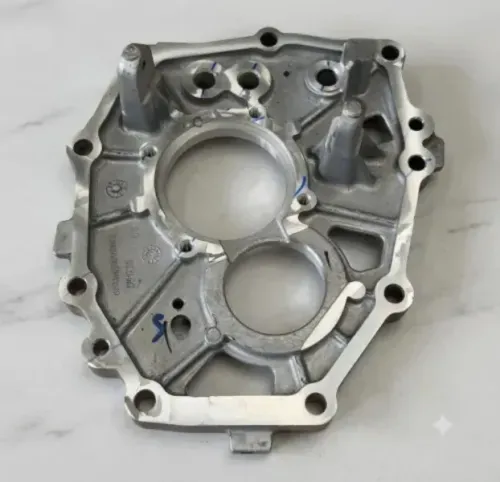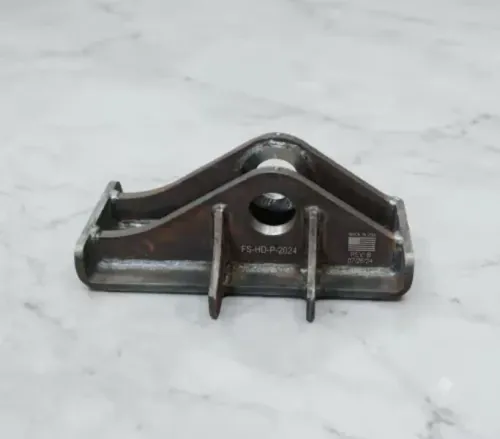
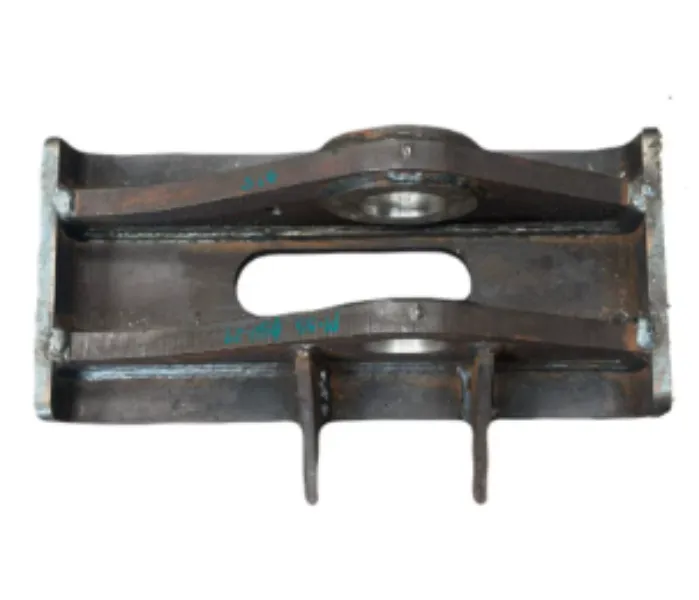
Selecting a Defence Equipment Component Supplier requires a more disciplined evaluation process than ordinary industrial sourcing. Components associated with defence equipment may involve controlled drawings, specified materials, close tolerances, detailed documentation, traceability requirements, and customer-defined quality procedures.
For procurement and engineering teams evaluating manufacturing capabilities in Chakan and Maharashtra, supplier readiness should be assessed against the exact project specification rather than broad claims about industry experience.
Begin With Requirement Understanding
A supplier should be able to review drawings, technical specifications, manufacturing notes, inspection requirements, and documentation expectations before committing to production.
During the initial technical review, procurement teams should determine whether the manufacturer understands:
- Material specifications
- Dimensional tolerances
- Welding requirements
- Machining requirements
- Inspection stages
- Surface treatment requirements
- Documentation expectations
- Customer-specific acceptance criteria
Questions raised during drawing review can be a positive sign when they identify genuine manufacturing risks before production begins.
Verify Manufacturing Capability
Heavy defence-related engineering components can combine structural fabrication with precision machining.
Supplier evaluation should therefore consider actual equipment capacity rather than general statements such as “heavy fabrication available.”
Review the proposed component against fabrication floor capacity, welding setup, machining envelope, lifting equipment, tooling, inspection facilities, and production planning.
For large parts, handling capability is particularly important because components may need several controlled movements between operations.
Understand Material Traceability
Where project specifications require material traceability, the manufacturing system should maintain identification through relevant production stages.
Material certificates, identification practices, and documentation need to correspond with customer requirements.
Procurement teams should establish these expectations at the quotation and order stage rather than requesting records only when the component is ready for dispatch.
Examine Welding Controls
If welding forms a critical part of the component, evaluate how welding requirements are translated from the drawing into production.
Depending on project requirements, this may include approved procedures, welder qualifications, consumable control, joint preparation, preheating or interpass controls, and specified inspection methods.
The exact requirements should always follow applicable drawings, specifications, standards, and customer approvals.
Assess Machining and Dimensional Verification
Complex fabricated components often require machining after welding.
Buyers should review how the manufacturer establishes machining datums and verifies relationships between critical features. Large dimensions may require specialized measurement planning rather than conventional inspection techniques alone.
First-off or stage inspections may also be necessary depending on project criticality.
Review Documentation Before Production
Documentation problems frequently appear late because they were treated as dispatch paperwork rather than part of manufacturing.
A better approach is to define required records during order review. These could include material documentation, dimensional reports, process records, inspection reports, or other customer-specified documents.
Pranav Heavy Industries Private Limited operates from Chakan within Maharashtra's established engineering manufacturing ecosystem and undertakes heavy fabrication, machining, and engineering component manufacturing activities relevant to industrial procurement requirements.
Use a Readiness Checklist
Before final supplier approval, procurement teams can confirm:
- Drawing and specification review completed
- Material requirements understood
- Fabrication capacity verified
- Machining capacity verified
- Inspection method agreed
- Traceability requirements established
- Documentation expectations defined
- Production capacity reviewed
- Handling and logistics considered
- Customer-specific quality requirements acknowledged
Defence-related sourcing should remain specification-driven. No supplier should be assumed suitable for a particular programme solely because it has manufactured heavy industrial components in the past.
A structured evaluation helps engineering and procurement teams determine whether the available infrastructure, process controls, documentation systems, and technical capability genuinely match the proposed component. That approach provides a stronger basis for supplier selection than relying on general manufacturing claims.
Keywords