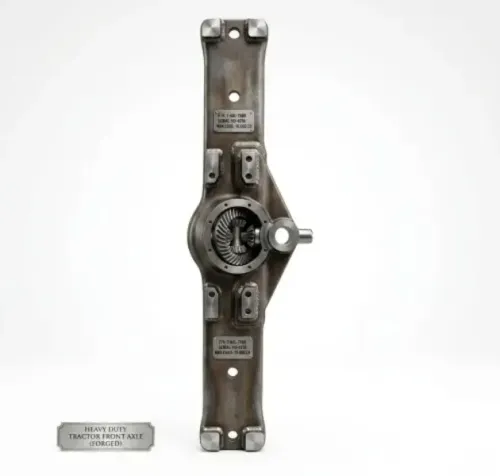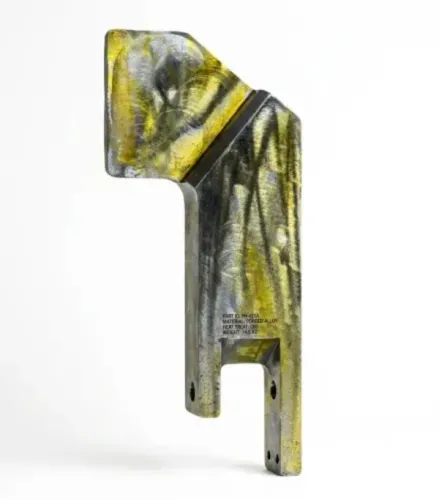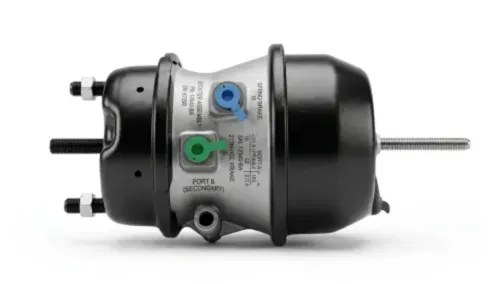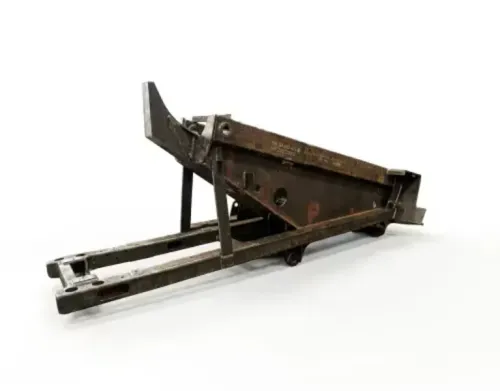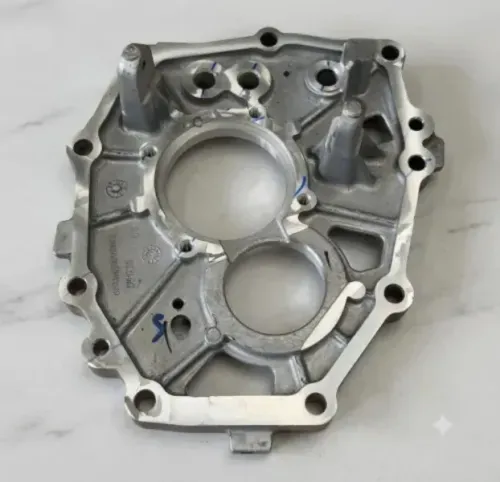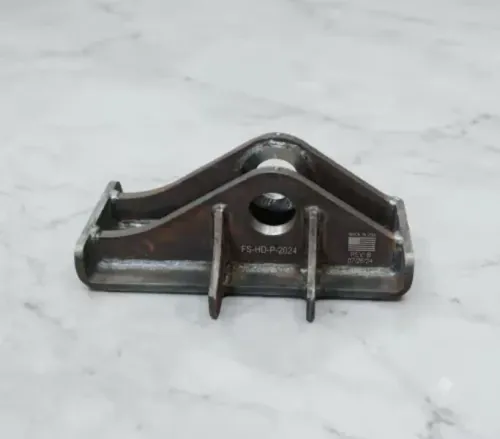
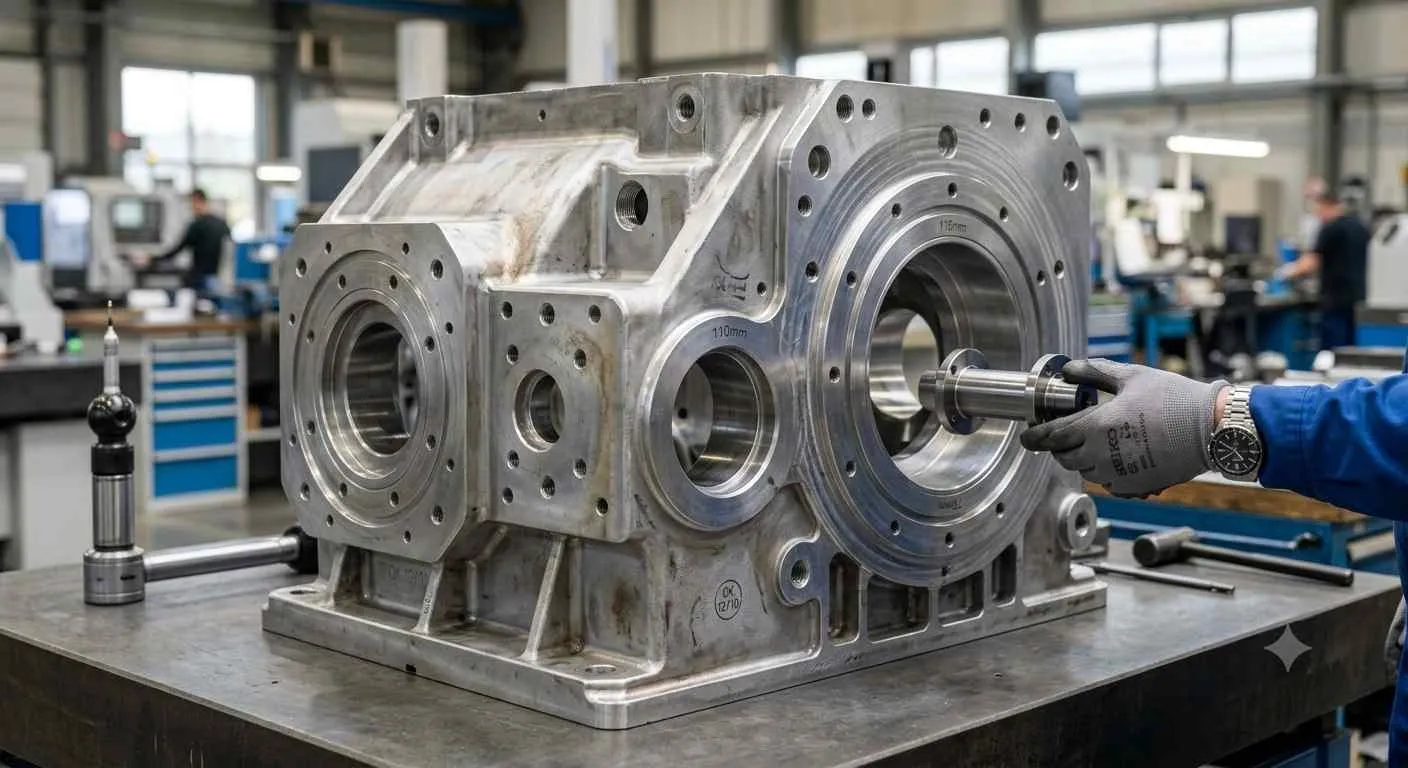
Manufacturing a simple component to a drawing is very different from machining a large part containing multiple bores, faces, pockets, profiles, and positional relationships. Complex Component Machining Services are intended for components where machine capability, setup planning, tooling, measurement, and process sequencing must work together to achieve the specified geometry.
For industrial buyers in Chakan and Maharashtra, understanding these factors is useful when evaluating machining feasibility for heavy engineering components.
What Makes a Component Complex to Machine?
Complexity is not determined by shape alone. A component can become challenging because of its dimensions, weight, material, tolerance, feature accessibility, or the relationship between multiple machined surfaces.
Common complexity factors include:
- Large overall dimensions
- Heavy component weight
- Deep or difficult-to-access features
- Multiple machining orientations
- Tight bore tolerances
- Closely controlled centre distances
- Flatness and parallelism requirements
- Interrupted cuts on fabricated components
- High-strength or difficult-to-machine materials
- Limited opportunities for repositioning
A large welded structure requiring several accurately aligned bearing bores, for example, may demand considerably more process planning than a smaller conventional machined part.
Setup Planning Has a Major Effect on Accuracy
Every time a component is repositioned, another opportunity for variation is introduced. Machining engineers therefore plan setups to maintain consistent datum references and reduce unnecessary handling wherever practical.
The first setup is particularly important because it establishes references for subsequent operations.
Before machining begins, teams may evaluate:
- Which surfaces should become primary datums
- How the component will be clamped
- Whether the workpiece is sufficiently stable
- Which features can be machined in one setup
- How later operations will reference previous features
For heavy components, safe lifting and positioning are also part of machining planning.
Fabricated Components Present Additional Challenges
Machining a component produced from solid material differs from machining a welded fabrication. Welded structures can contain residual stress and minor dimensional variations resulting from heat input.
The machining process must therefore account for the actual fabricated condition.
Pre-machining inspection helps establish whether sufficient allowance exists on critical surfaces. In some applications, rough machining and finish machining may be separated to improve dimensional control.
Tooling Must Match the Material and Feature
Tool selection affects surface finish, cutting stability, machining time, and dimensional consistency. Large components can involve long tool reach, interrupted cutting, or substantial material removal.
The appropriate cutting parameters depend on the workpiece material, machine rigidity, feature geometry, and tooling arrangement.
High-strength steels and specialized alloys may require different strategies from conventional carbon steel. Simply increasing cutting speed to shorten cycle time can create tool wear or dimensional problems if the complete machining condition is not considered.
Measurement Is Part of the Machining Process
Complex machining should not treat inspection as an activity performed only after production. In-process measurements can confirm critical dimensions before the component moves to the next setup.
Important characteristics may include:
- Bore diameter
- Centre distance
- Face position
- Flatness
- Parallelism
- Perpendicularity
- Hole location
- Overall dimensional relationships
The drawing and functional requirements determine which characteristics require closer control.
Local Manufacturing Context in Chakan
The Chakan industrial region serves manufacturers working with automotive systems, earthmoving equipment, heavy machinery, engineered assemblies, and specialized industrial equipment. These industries often require machined components that combine substantial size with functional accuracy.
Pranav Heavy Industries Private Limited works in the heavy engineering manufacturing segment where fabrication and machining requirements can form part of the same component production route.
For procurement teams, the important question is therefore not simply whether a supplier owns machining equipment. The real consideration is whether the provider can develop a suitable process around the specific component.
Complex machining becomes reliable when machine capacity, workholding, datum planning, tooling, inspection, and operator knowledge are matched to the geometry and functional requirements of the part. Evaluating these capabilities early can prevent avoidable difficulties when critical components reach assembly.
Keywords